
Why vintage jerseys are popping up everywhere this soccer summer—and what brands can do with them
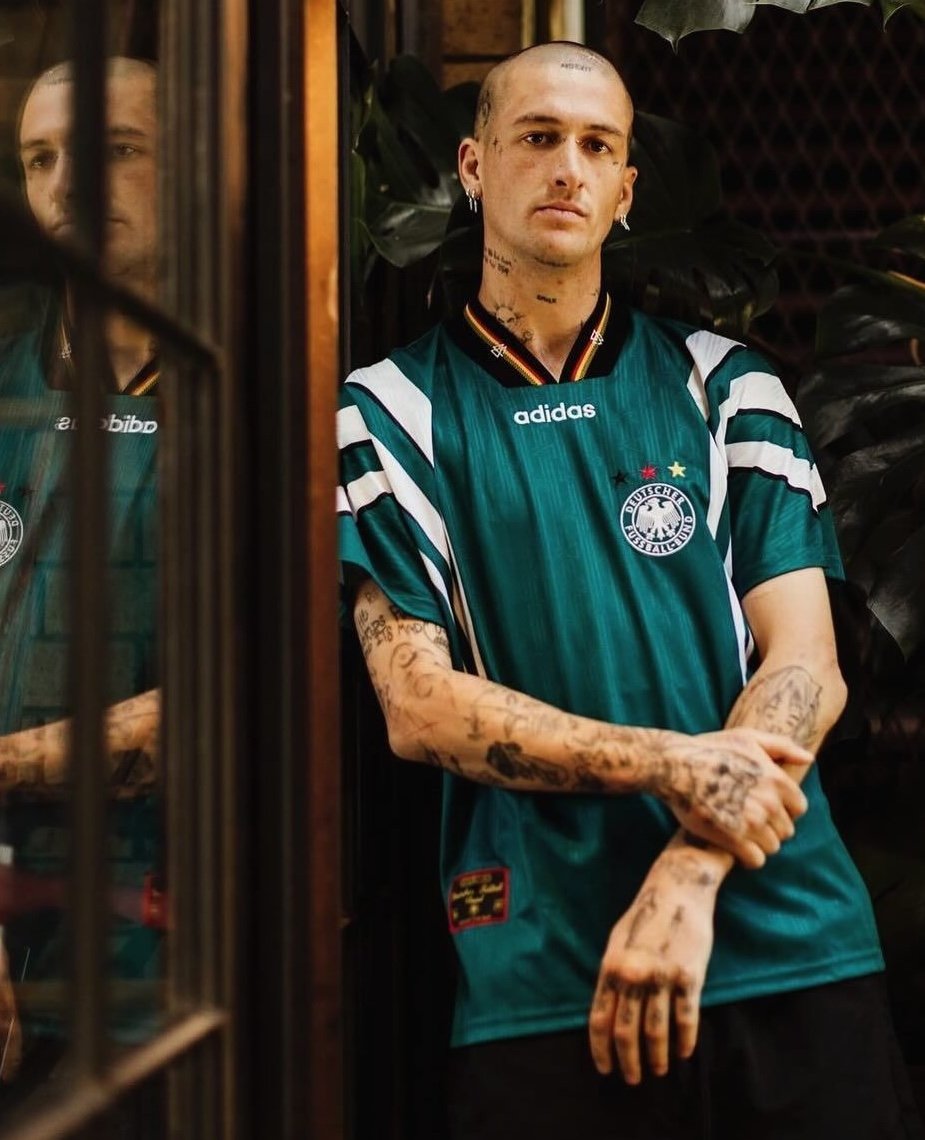
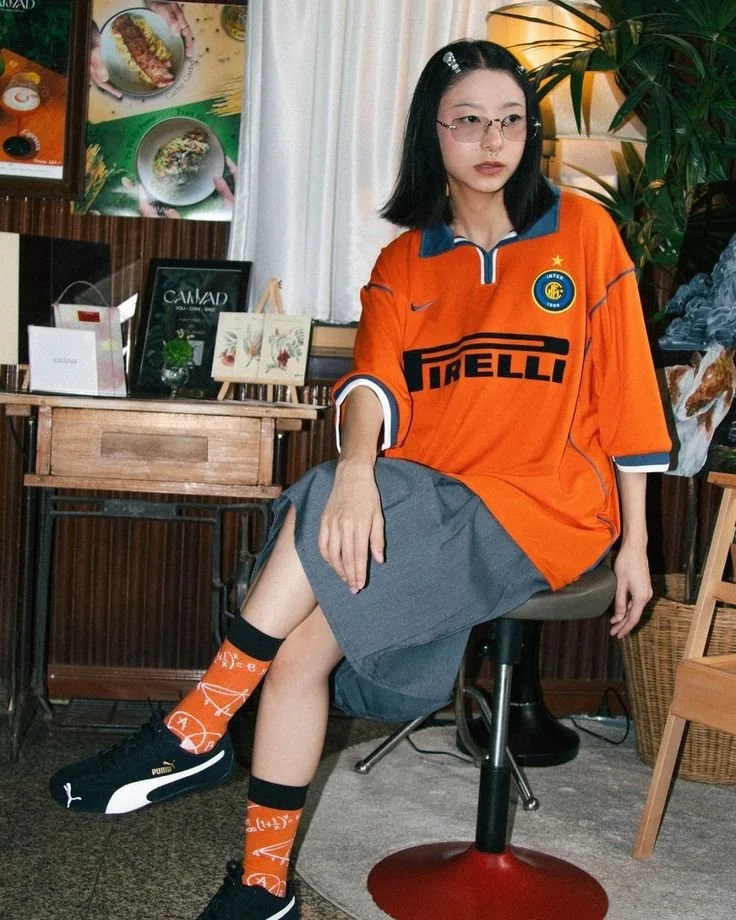
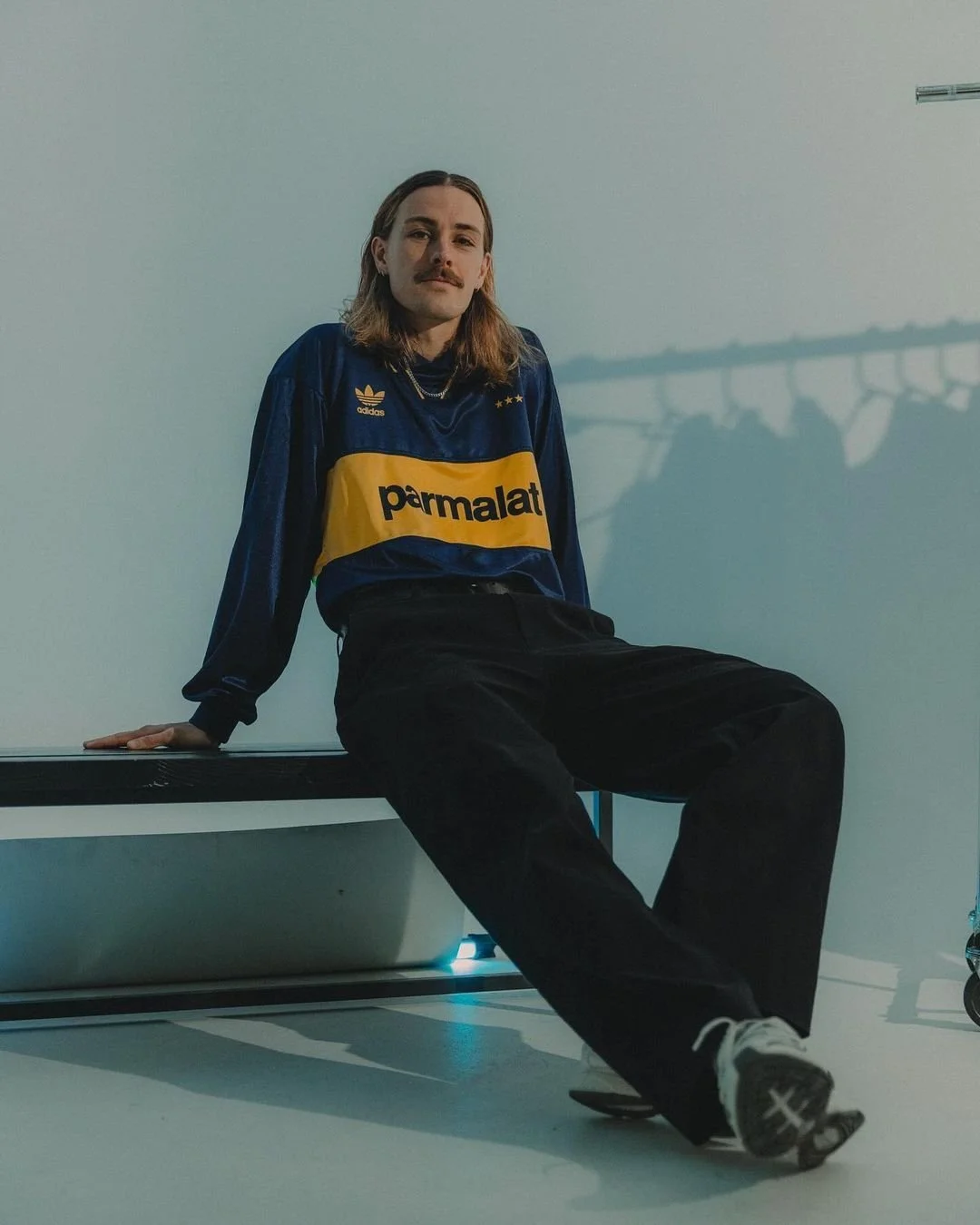
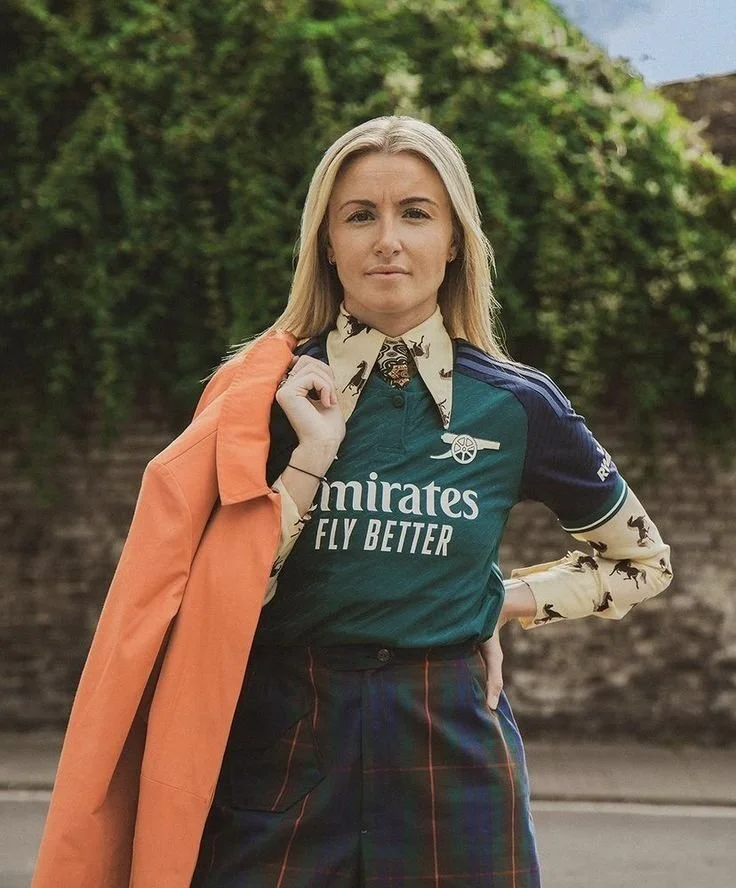
In a few weeks, the World Cup will kick off in the U.S. And with it comes a wave that has been building for months: the soccer jersey as a serious fashion item. No longer just in the stadium stands, but on runways, in advertising campaigns, and on the streets of our major cities.
What long seemed like a niche trend among collectors has long since entered the mainstream of pop culture. For marketing professionals in the lifestyle sector, this is more than just an observation. The soccer jersey is currently the only piece of clothing that is at once culturally relevant, emotionally charged, and still largely untapped as a branding vehicle.
Those who act now aren't communicating through an advertising medium, but through an item that people choose to wear and that sparks conversations. We've analyzed this trend and are showcasing 20 absolute classic designs right here.
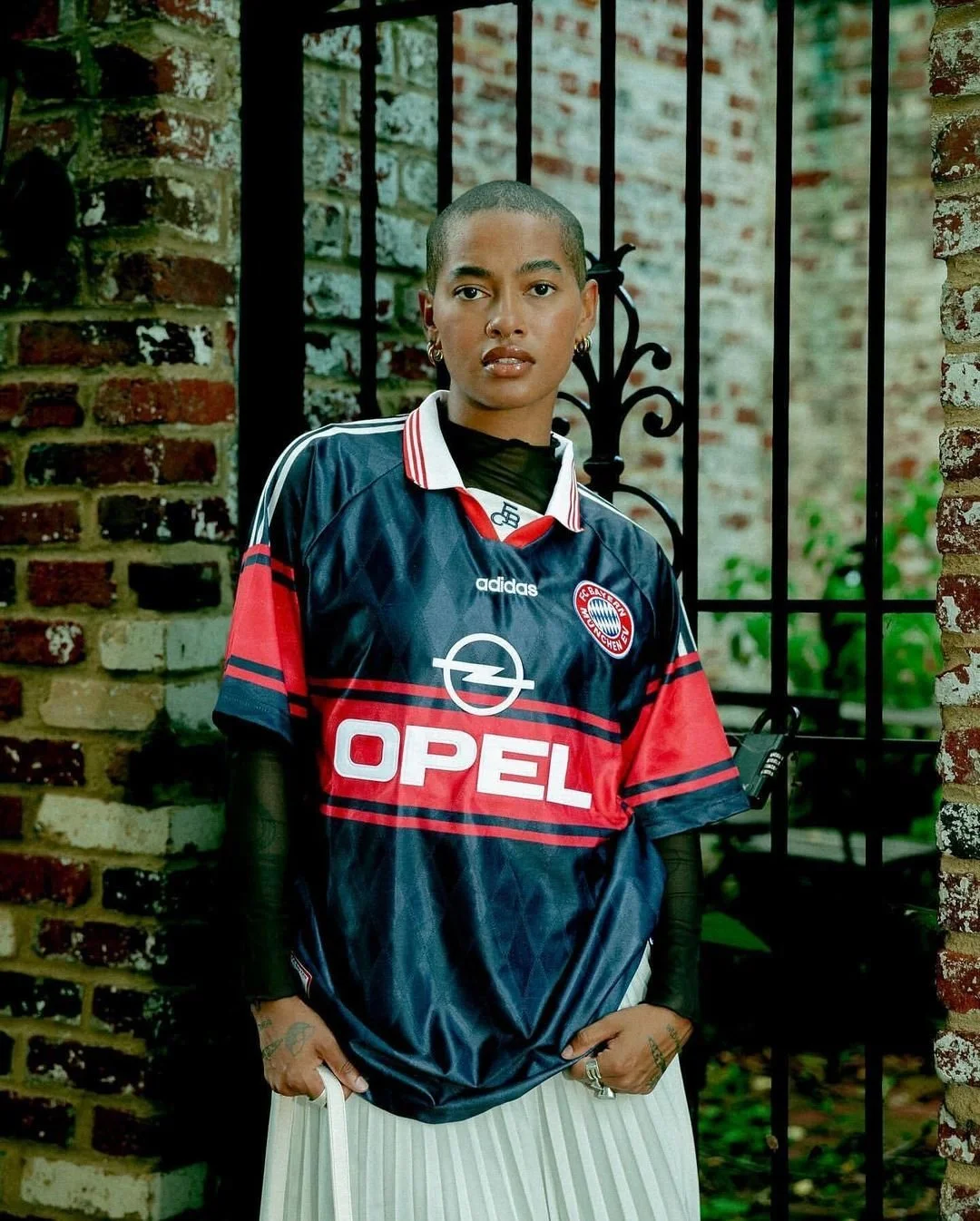
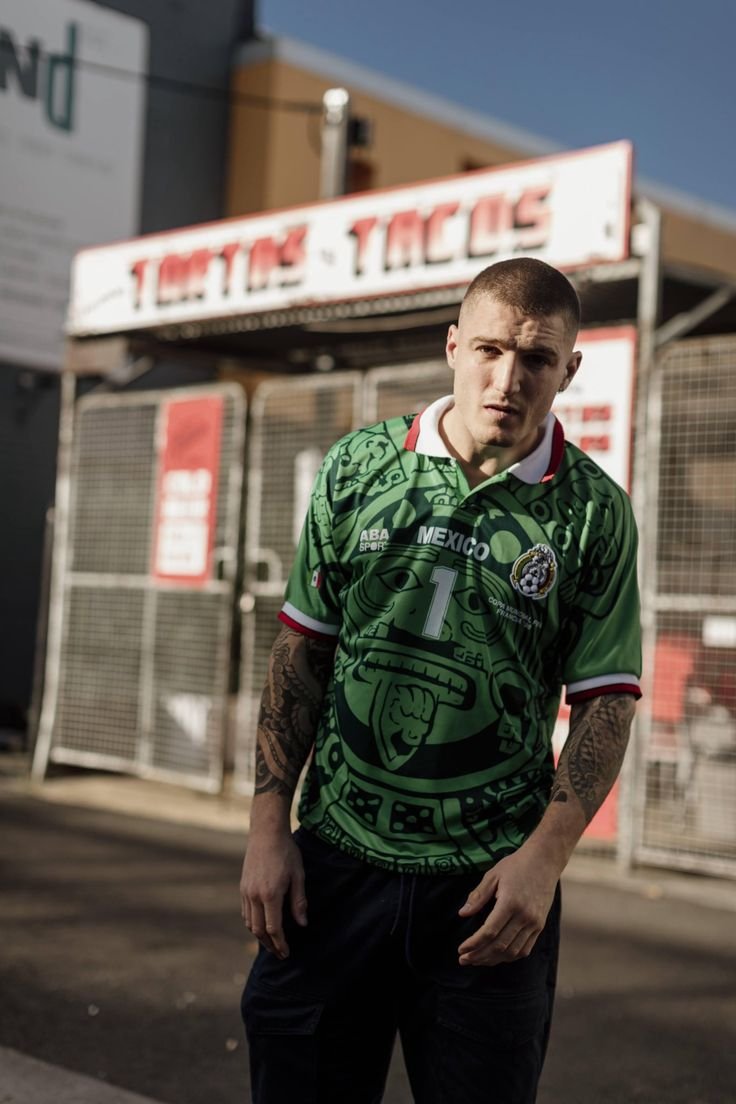
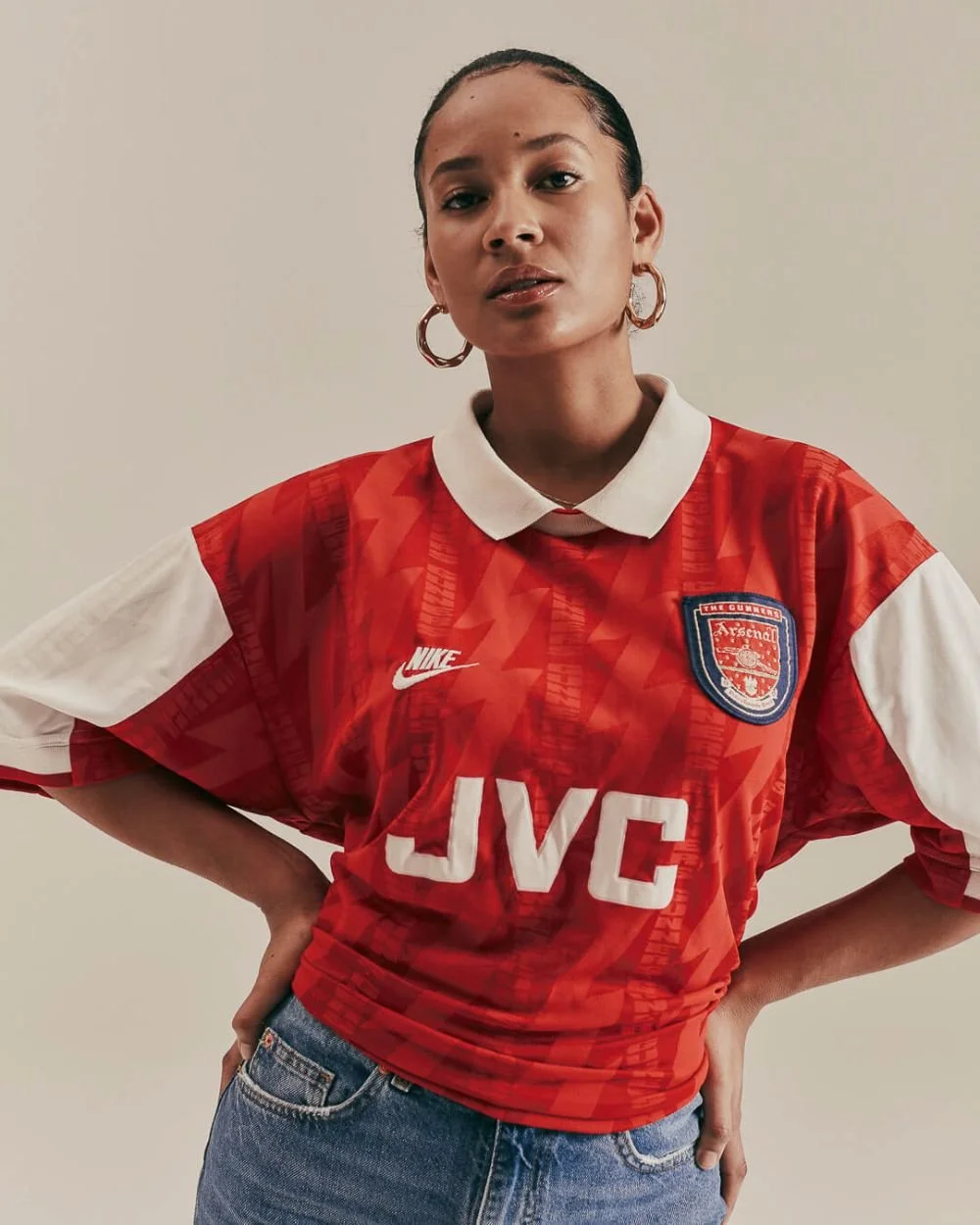

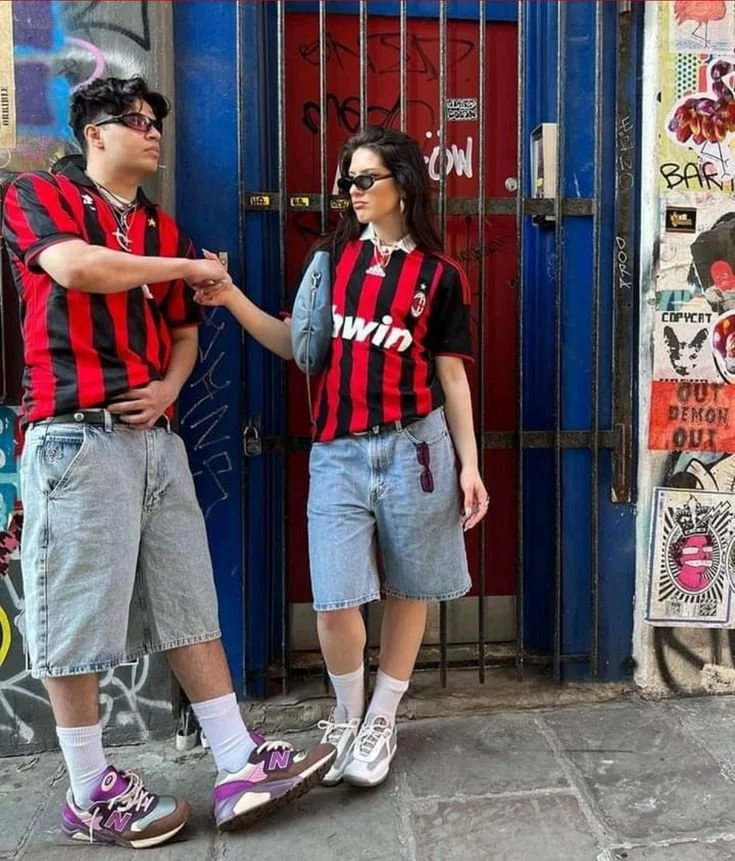
A trend with a long history
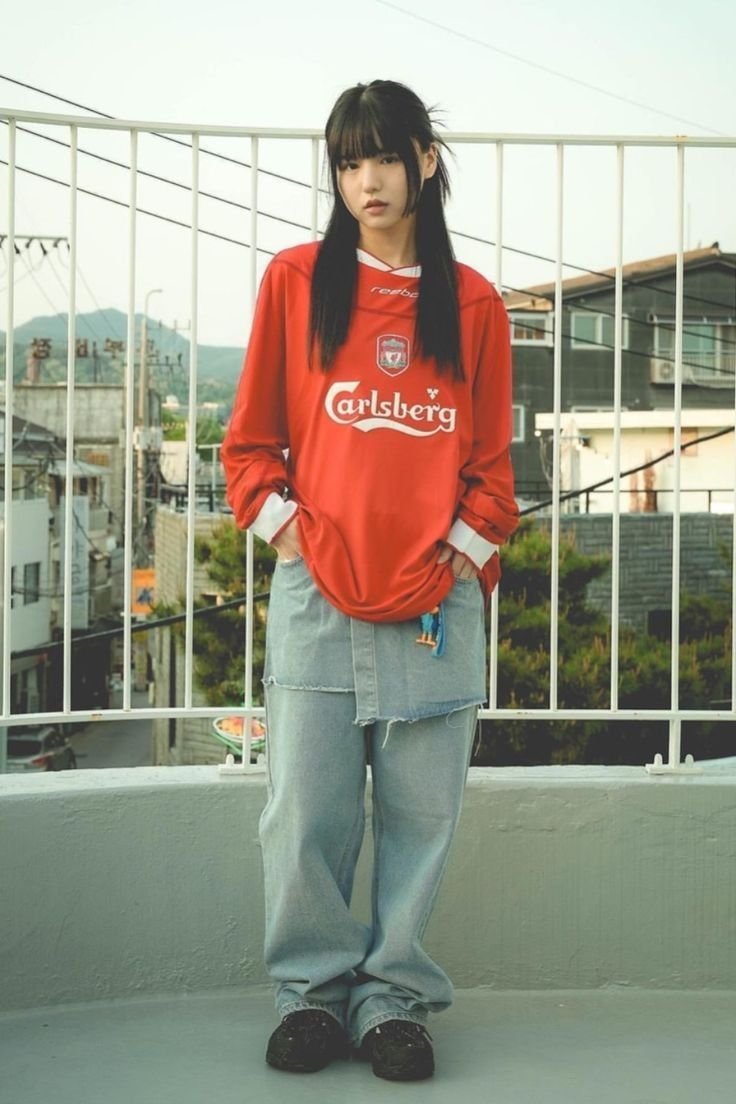
Blokecore, as the style is known today on TikTok and Instagram, is by no means a new invention. Its roots lie in the ’70s and ’80s, when British soccer fans used the stadium as a fashion runway. Jerseys, jeans, sneakers. Back then, it was the so-called “Casuals” who began mixing soccer aesthetics with designer fashion and deliberately avoided aligning themselves visually with any particular team. The stands served as a runway, decades before Instagram even knew the term “Fit Check.”
What has changed is the reach. Social media has turned a British subcultural phenomenon into a global style trend. And as the reach has expanded, so has the audience.
No longer just for fans
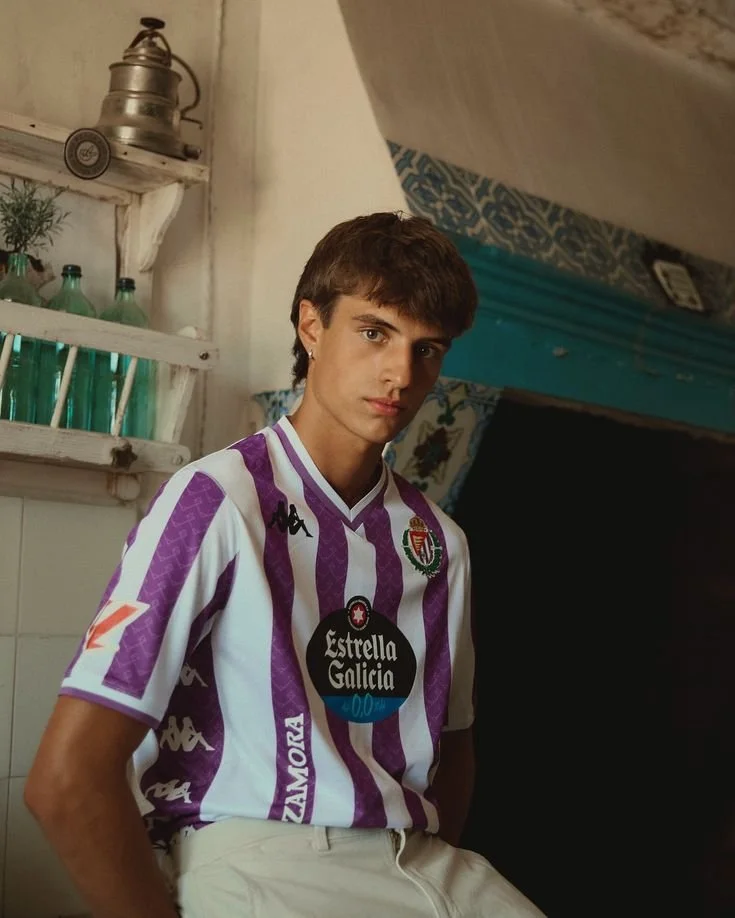
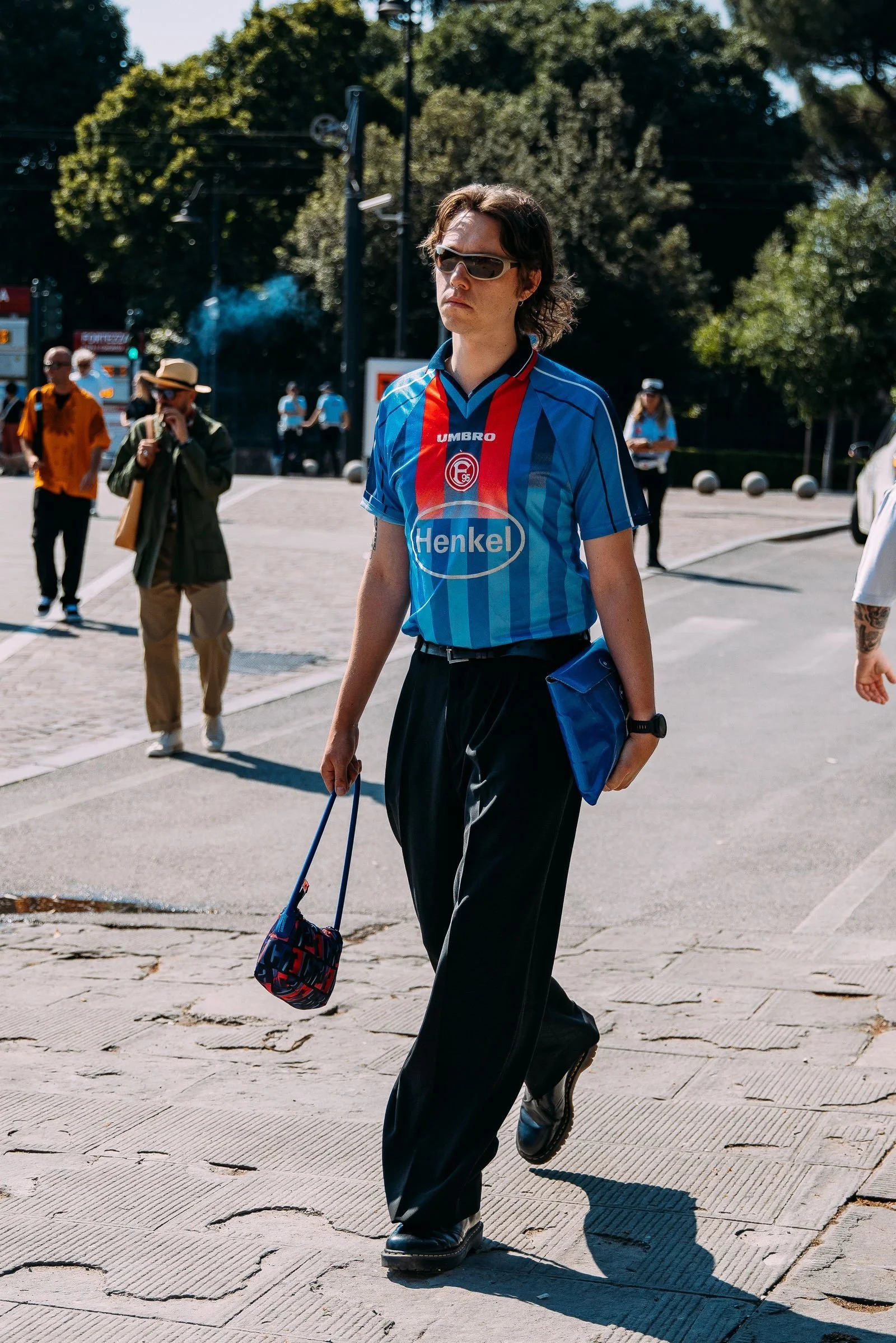
That’s the key point: You don’t have to be a soccer fan to wear a jersey these days. The trend has long since moved beyond its athletic roots. People wear whatever looks good, has a story behind it, and is rare. Whether the club plays in the Bundesliga or Spain’s third division is completely irrelevant.
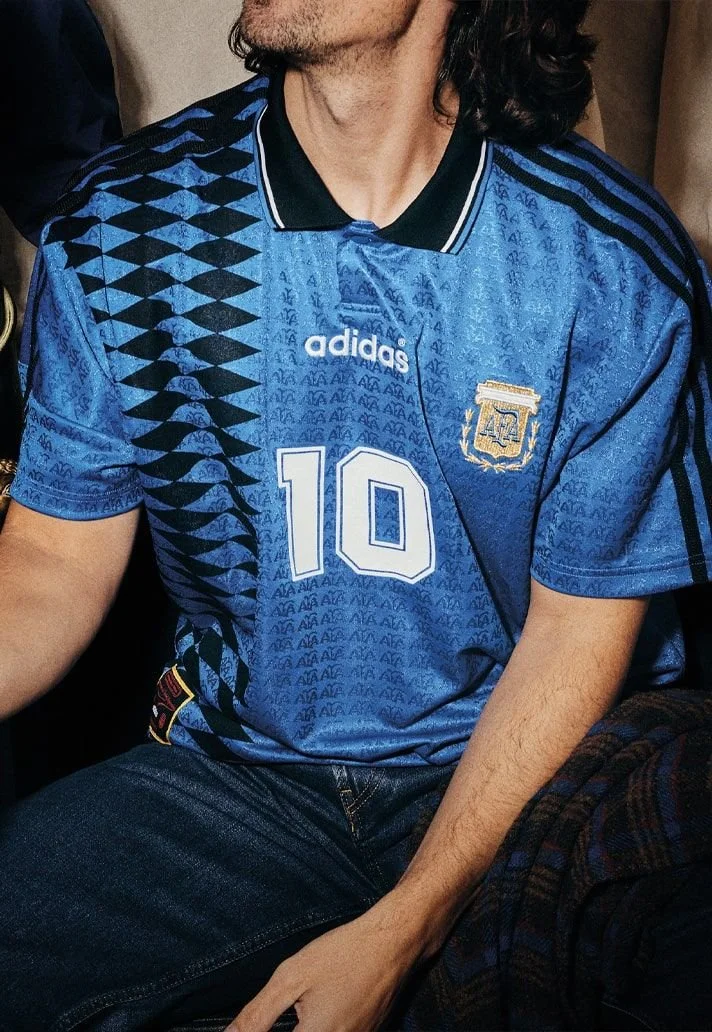
The same goes for national team jerseys. The 1994 Mexico jersey, the German jersey from the 2006 World Cup, or the 1986 Argentine jersey are now coveted items that have little to do with fan loyalty. They represent a moment in soccer history, a certain attitude toward life, and an aesthetic that is now considered iconic. Anyone who wears one isn’t demonstrating sporting loyalty, but rather a sense of style. Timothée Chalamet wore an original 1994 Mexico jersey on the street and generated more attention than any current campaign by any sporting goods manufacturer.
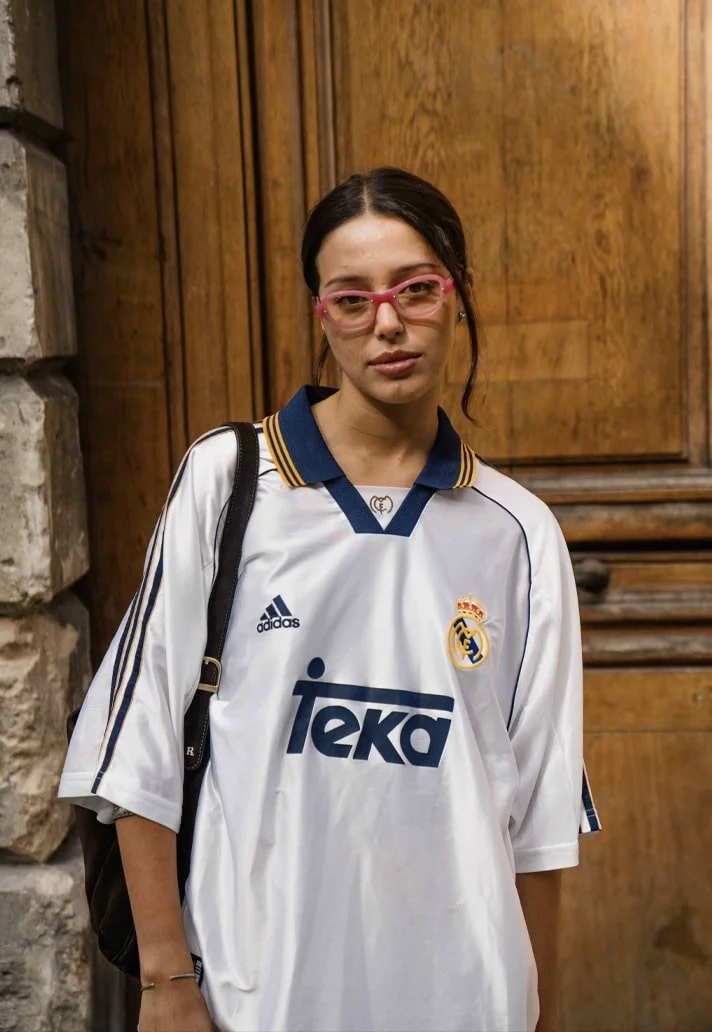
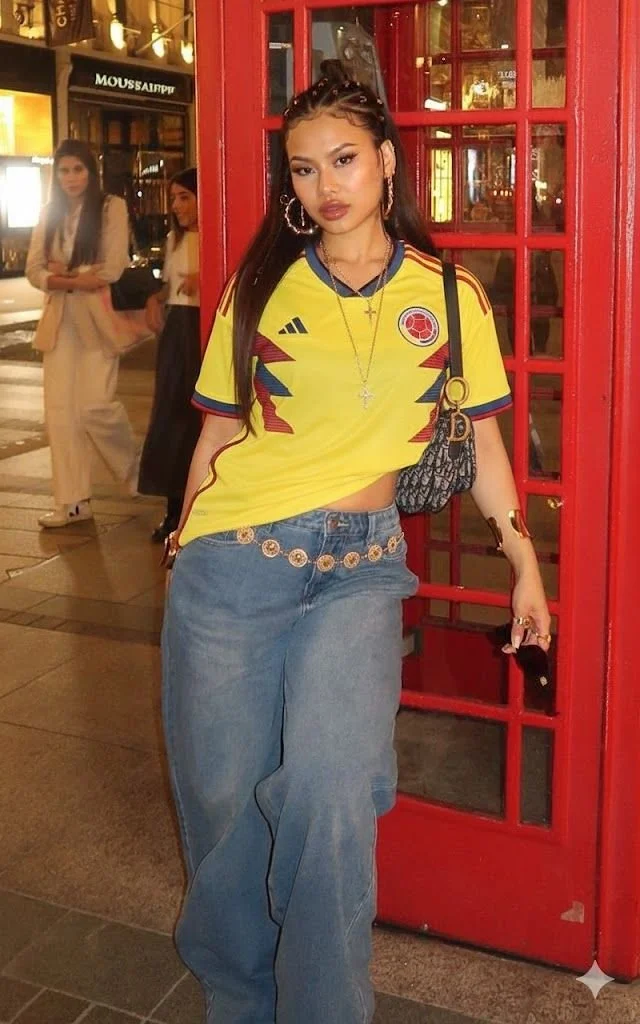
Vintage stores report a significantly more diverse customer base than they did five years ago. Women who style jerseys in a feminine way, design enthusiasts who treat rare kits as collector’s items, and a younger generation that consciously prefers original pieces over new merchandise. The jersey is no longer just a symbol of fandom, but an expression of taste and cultural awareness.
Nostalgia as a Driving Force
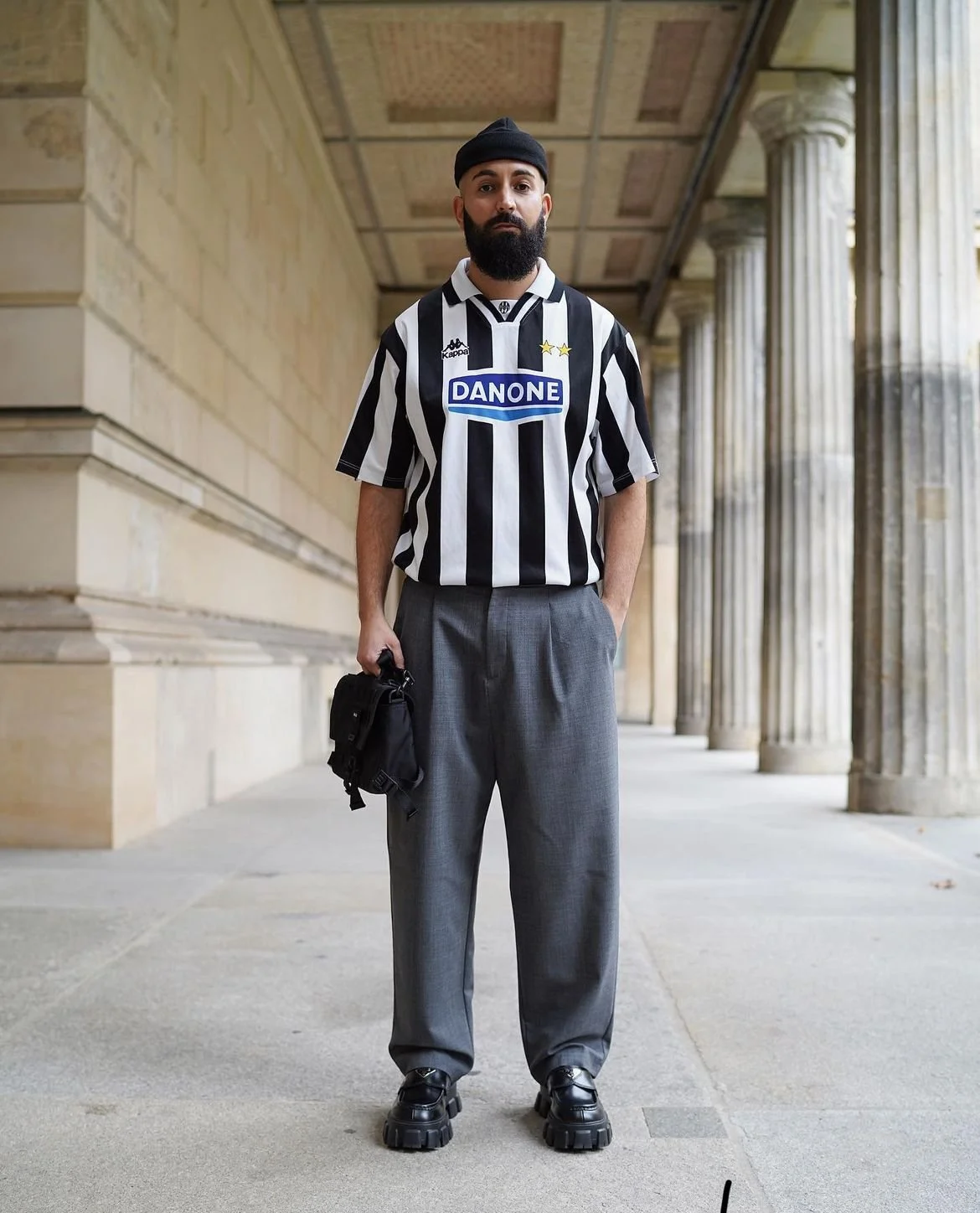
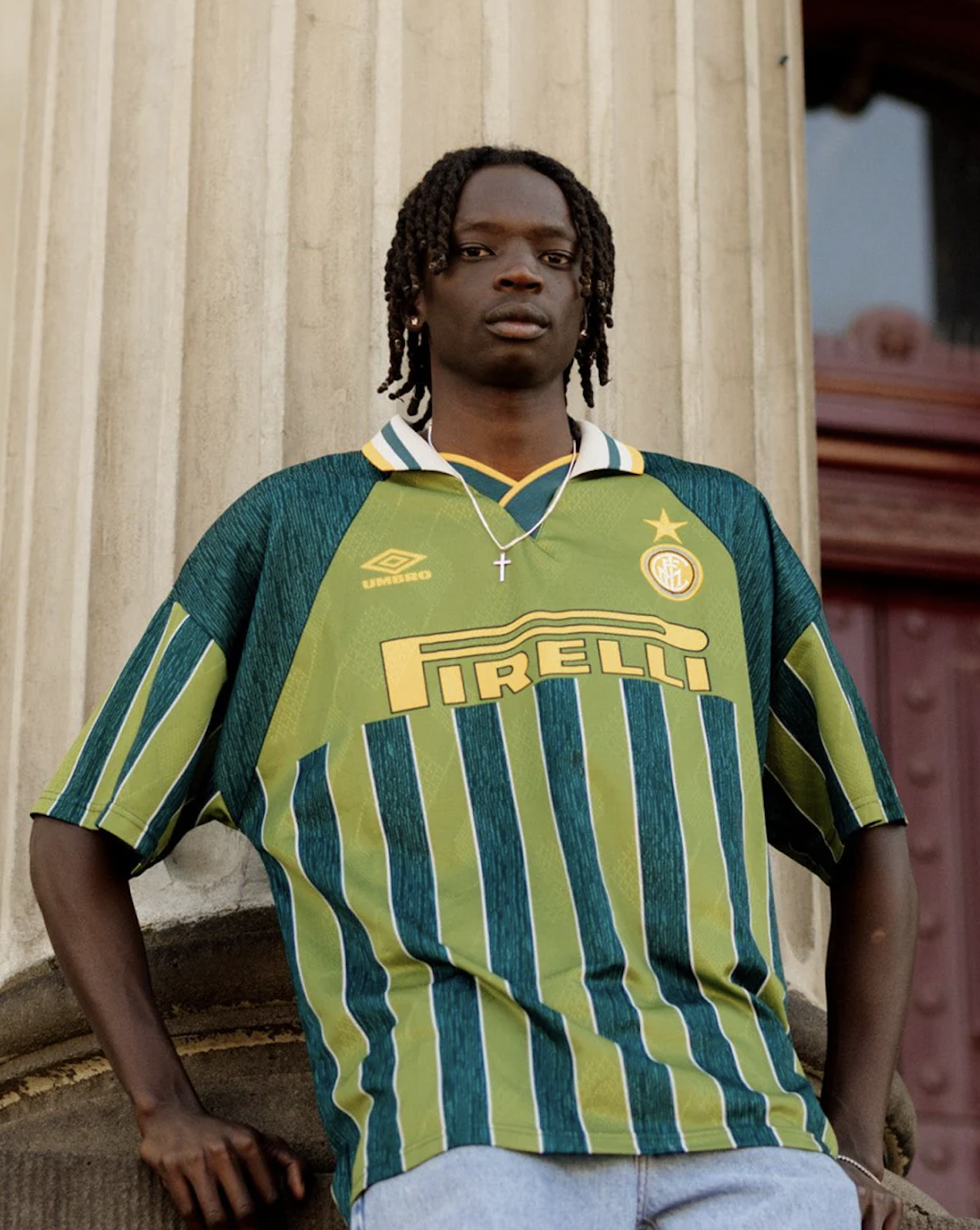
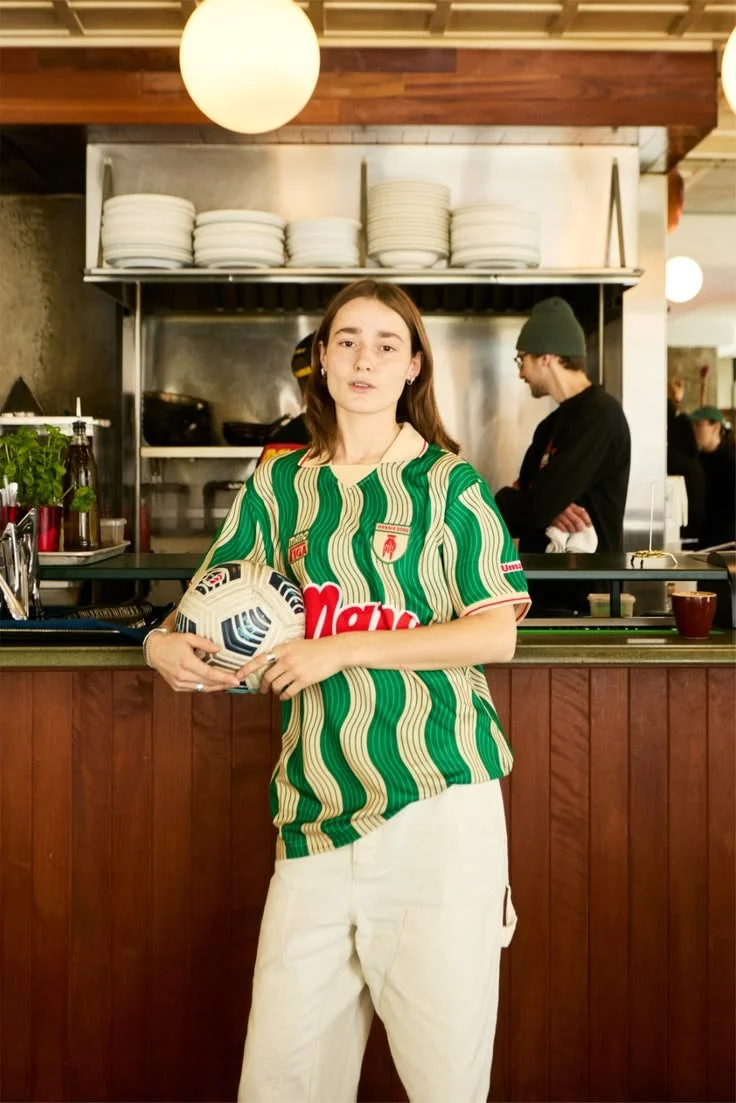
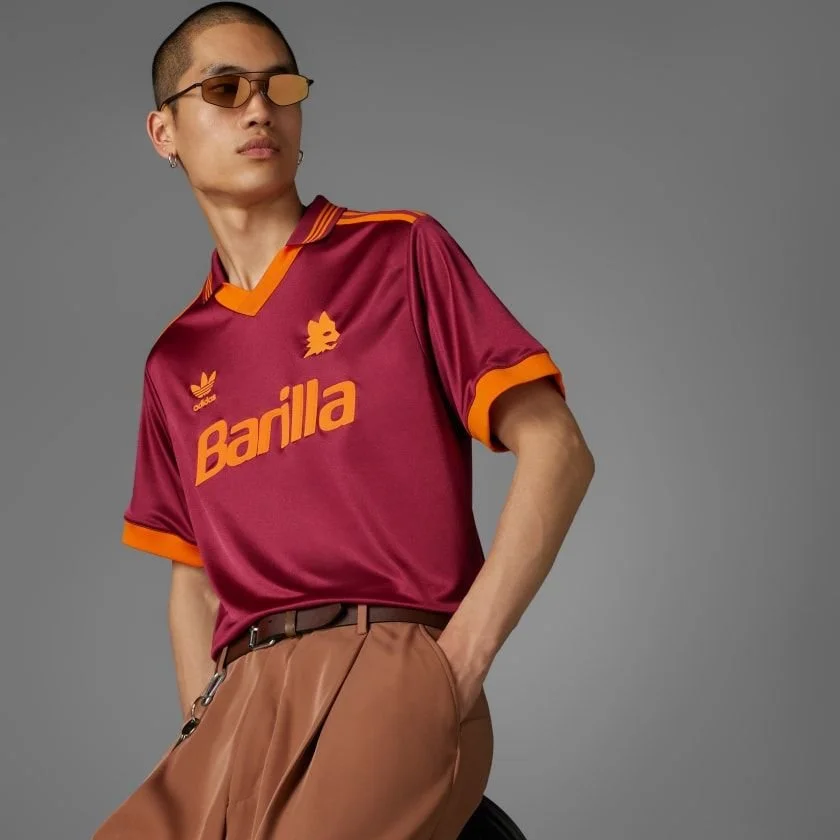
The strongest driving force behind this trend is not fashion, but sentiment. Vintage jerseys from the ’80s and ’90s represent an era of soccer that is considered more authentic and unpretentious than today’s highly commercialized product. The graphic designs of that era—with bold colors, unusual patterns, and unforgettable sponsor logos ranging from Sharp to Danone—now seem like artifacts from another time.
This longing for a time that many fans never even experienced themselves is a well-documented cultural phenomenon. It explains why jerseys from the World Cups of the 1990s are so highly sought after and why an original shirt from 1994 attracts more attention today than any current kit. Added to this is a sustainability aspect: Those who wear a vintage jersey are consciously choosing not to buy new, thereby taking a stand in the debate over fast fashion.
The 2026 World Cup as a Catalyst
Major tournaments have traditionally been the strongest driver of jersey sales. This time, there’s an additional factor: The World Cup is taking place in the U.S., a market with enormous fashion influence and a young soccer generation that has only recently discovered the sport. In recent years, Major League Soccer has ensured that soccer is no longer just a niche sport in the U.S. The tournament is reaching an audience that is ready for it and already views the jersey as a fashion item.
Added to this is the sheer scale of the event. Forty-eight nations, games in 16 cities—including New York, Los Angeles, and Miami—three of the world’s most influential fashion capitals. What people wear on the streets there spreads faster than at any other tournament before it. The combination of a global sporting event, celebrity culture, and a fashion trend that has been building for years has rarely come together so favorably.
The Jersey: The #1 Promotional Item
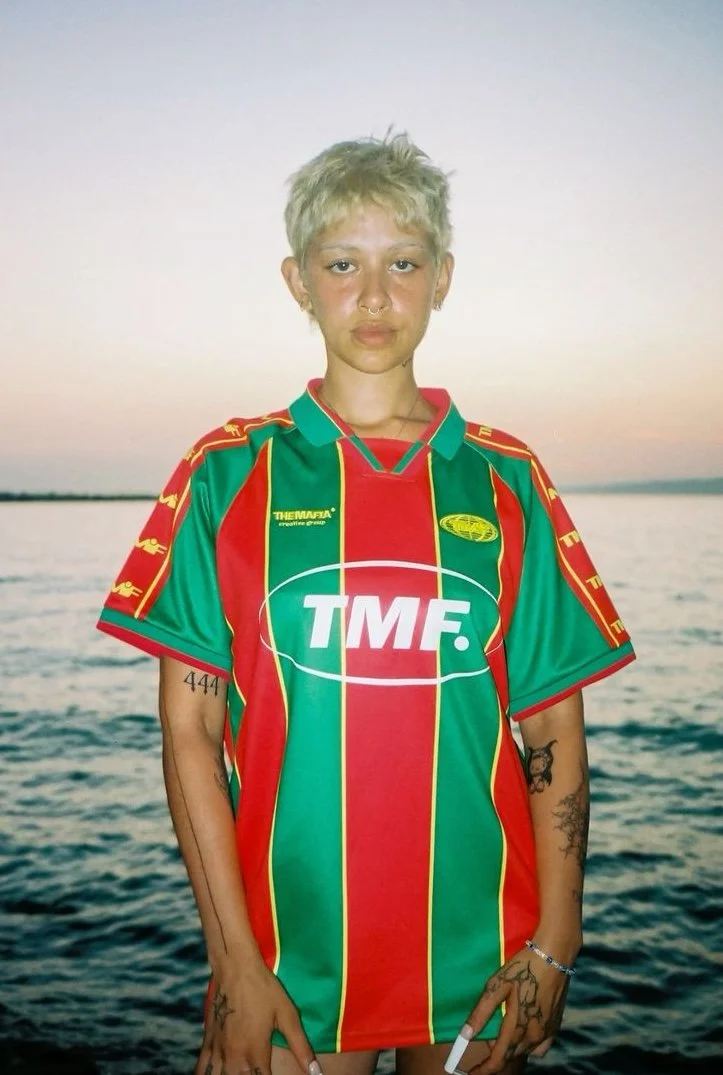
The jersey has one key advantage over traditional promotional gifts: people actually wear it. Not just once and then tucked away in a drawer, but in everyday life, at festivals, while playing sports, and out on the street. A well-designed jersey with its own color scheme and clear brand identity generates visibility in a way that no pen or notebook can match.
For companies, this summer offers concrete opportunities: as team uniforms for events and company tournaments, as an incentive or raffle prize with real appeal, as a welcome gift for new employees, or as a statement piece at every company foosball tournament. The jersey is the only promotional item that people willingly and happily wear.
Custom jerseys from Brandcraft
Brandcraft We design custom soccer jerseys starting at 100 pieces: with your own design, custom color scheme, and—if desired—names, numbers, etc. Whether for employee retention, customer gifts, raffles, or team spirit, we guide you through the process from the initial idea to delivery. Lead time: Approximately 3 weeks after design approval.
Submit your inquiry now atmail@brandcraft.euor directly via the contact form at brandcraft.eu.