
How Luxury Is Changing in the Vacation Hotel Industry—Insights from the Beaumier Hotel Group
In an interview with the * Brandcraft * Journal, Lorenz Maurer, Area General Manager of the Grand Hotel Belvedere in Wengen (part of the Beaumier Hotel Group), discusses new travel habits, Beaumier’s strategic positioning, and the growing importance of authentic experiences, sustainable tourism, and strong brand partnerships.
A conversation about luxury, which today is defined less by status symbols and more by time, nature, and authentic experiences.
About the Individual and the Beaumier Group
Lorenz Maurer is Area General Manager of the Grand Hotel Belvedere in Wengen and other properties belonging to the European Beaumier Hotel Group. With many years of experience in the international luxury hotel industry, he oversees destinations in the Alps, where he shapes a hospitality philosophy that combines nature, design, cuisine, and local culture to create authentic guest experiences.
The Beaumier Group operates iconic hotels and resorts in exceptional destinations across Europe, including properties in the French Alps, on the Côte d’Azur, and in Switzerland. The brand is known for blending extraordinary landscapes, distinctive design, regional culture, and hospitality centered on creating memorable experiences. Its goal is to create places where guests don’t just stay overnight, but truly experience the destination.
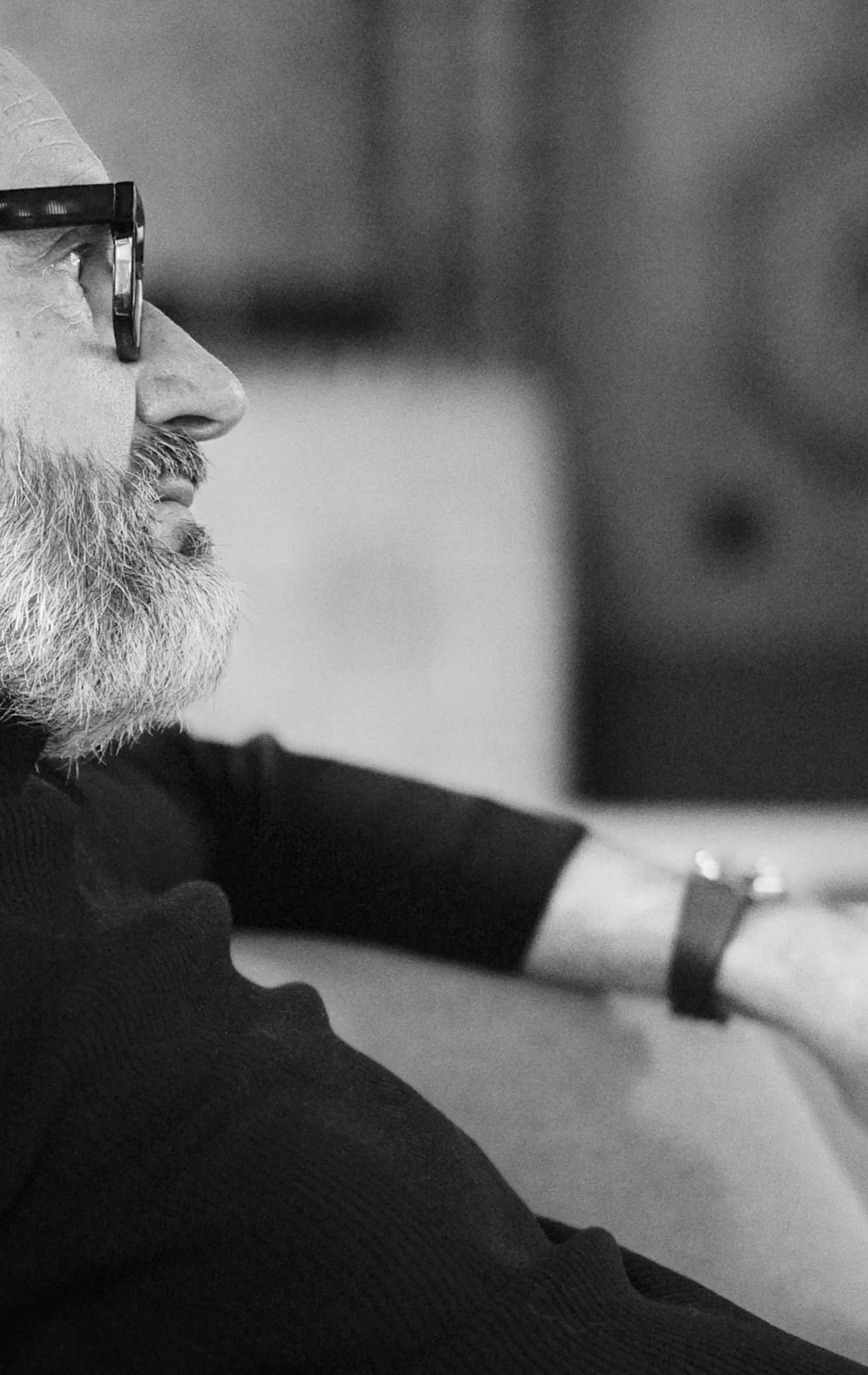
Lorenz Maurer (Credit: Michael Frick)
Brandcraft: What changes are you currently observing in the upscale vacation hotel industry, particularly with regard to sustainability, length of stay, direct bookings, and a focus on experiences?
Lorenz Maurer: I’m seeing a clear shift toward a more meaningful form of tourism—one that’s slower, more mindful, and more closely connected to a region’s way of life. Today, many visitors no longer want just to see beautiful scenery; they want to truly understand how a destination lives and functions.
Today, luxury means, above all, having time. Time for the things in life that you can’t buy just anywhere—for experiences that inspire, help you slow down, and recharge your energy. Our guests are increasingly interested in local history, village life, and our customs and traditions. They want to discover regional products, get to know the locals, and become part of the daily life of a destination, rather than just visiting it.
This automatically has an impact on sustainability, length of stay, and the offerings in the village. Guests often stay longer, explore the region more thoughtfully, and take advantage of local offerings—from small producers to cultural activities. This creates a closer connection between the hotel, the destination, and the local community.
These days, you can buy a Rolex in any major city. In a mountain village, our guests are looking for something different. It’s not about status here, but about experiences that can only be had in this very place.
Brandcraft: How is the Beaumier Group’s strategic positioning defined in the international marketplace among boutique hotels, luxury resorts, and design hotels—and what is your clear USP as a brand?
Lorenz Maurer: At Beaumier, it all starts with the employees. They must love the mountains and nature. They must have personality and the courage to simply be themselves. Our mission is clear: We want our guests to have a good time here. Whether the wine is poured from the left or the right is beside the point. That’s why it’s important that our employees enjoy their time with us and take pleasure in what they do—even though they work hard, of course.
Our goal is to provide authentic experiences. Sports activities are part of that, but they go beyond just skiing or hiking: yoga hikes, paragliding, or sailing. For us, wellness isn’t just about pools and saunas—it also includes daily yoga, Pilates, forest bathing, and retreats. And when it comes to food, our chefs source ingredients from within a 100-kilometer radius, gather what nature provides themselves, and are committed to a clear zero-waste goal.
Here at Beaumier, we love beautiful design, good food, and great wine. We enjoy life—and that’s exactly the spirit we want to share with our guests. Every detail counts.
“Our mission is clear: We want our guests to have a good time here. Whether the wine is poured from the left or the right is beside the point.”
Brandcraft: How do you combine architecture, interior design, cuisine, and local culture into a cohesive guest experience that strengthens destination branding and brand identity?
Lorenz Maurer: Our hotels are located in iconic places—often in destinations that, while extraordinary, are still waiting to be discovered. It is precisely this blend of spectacular scenery and authentic regional character that, for us, makes many of Beaumier’s locations so appealing.
We make a point of working with local interior designers and place a strong emphasis on regional ingredients and products. For example, our executive chef personally goes out to gather mushrooms, wild garlic, and elderberries. In the fall, guests can even join him on a mushroom-picking outing and then watch as the mushrooms are prepared right there in the kitchen.
At Les Roches Rouges, we have a fisherman on staff who heads out to sea in the morning, and his catch is served in the restaurant that evening. It doesn't get any fresher or more local than that.
Guests can book these kinds of experiences at many of our properties—from foraging and cooking to nature excursions and encounters with local producers. It is precisely this combination of place, culture, and experience that we now consider to be modern luxury.
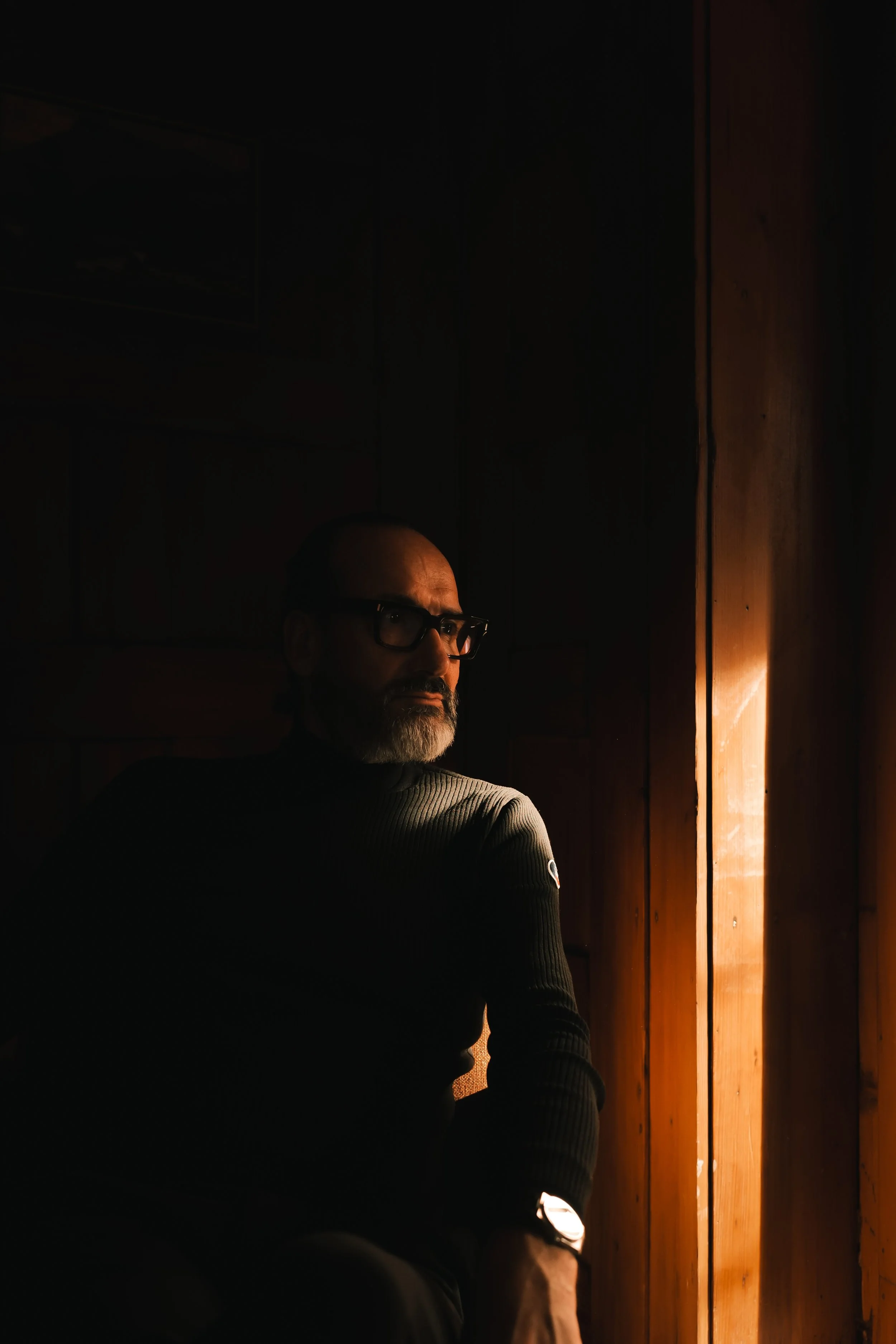
Lorenz Maurer (Credit: Michael Frick)
Brandcraft: Beaumier clearly uses high-quality products that reflect the brand's image. What strategic role do these products play in your brand management? How do they influence brand perception, the guest experience, and customer loyalty?
Lorenz Maurer: High-quality products—often lesser-known local brands—are meant to inspire our guests while also reflecting the values of our properties. That’s why we pay close attention to many small details: the cotton swabs are packaged sustainably, the shoehorn is made of wood instead of plastic, and the bathroom features the same local products as the spa.
When it comes to collaborations, we only work with brands that are truly a good fit for us and share a similar philosophy and target audience. Monocle is a good example, as are Round Rivers and our spa partner, Susanne Kaufmann.
These partnerships aren't limited to products; they also come to life through joint events and experiences. This creates touchpoints with the brand that extend beyond the actual stay.
“You can buy a Rolex in any major city. In a mountain village, our guests are looking for something different.”
Brandcraft: How do you think the premium and luxury vacation hotel industry will evolve over the next five years—particularly with regard to sustainability and community building?
Lorenz Maurer: I believe that the number of hotels with an inspiring, distinctive, and characterful profile will continue to grow. Today, guests are increasingly looking for places with personality, a clear identity, and a history they can really feel.
In the vacation hotel industry in particular, the classic, uniform corporate style often seems interchangeable. Hotels that are bold enough to develop their own identity and consistently put it into practice will stand out more in the long run. The willingness to take risks—especially in Switzerland—is not yet widespread, but I am convinced that this approach will pay off in the end.
This shift is also evident in our cuisine. In addition to classic meat dishes, we intentionally offer vegan dishes prepared with great care. This may not appeal to every guest right away, but many who are open-minded and give it a try are pleasantly surprised afterward.
For our employees, our management, and many local residents, sustainability simply makes sense. It stems not just from a marketing concept, but from a conviction to use resources, products, and the environment responsibly. It is precisely this attitude that will be a decisive factor for many guests when choosing a hotel in the future.
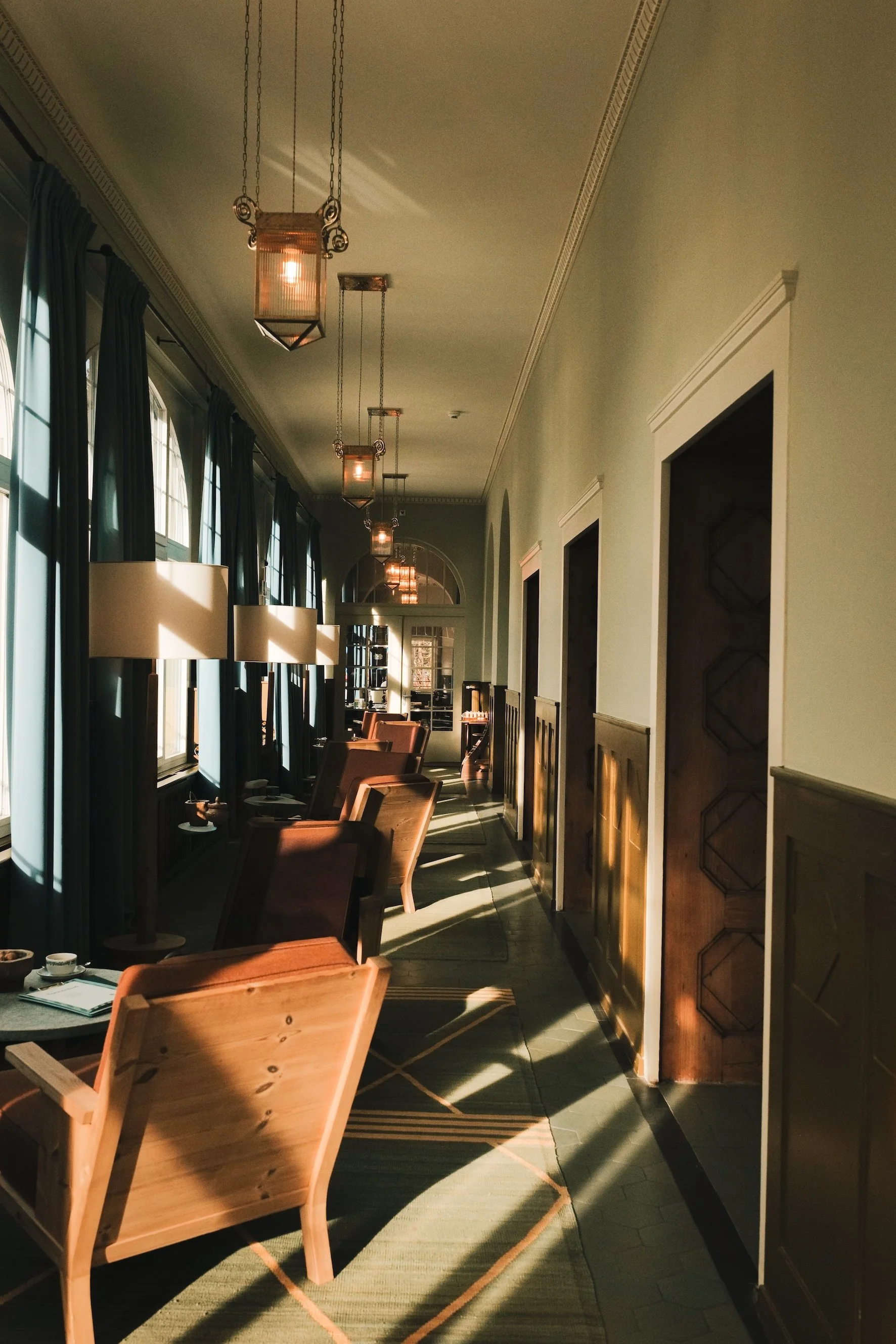
Brandcraft Key Takeaways
Guests are increasingly seeking out regional culture, traditions, and authentic destination experiences
The personality and attitude of the staff shape a hotel's brand identity
Regional ingredients, local producers, and sustainable sourcing define the cuisine
Nature, food, and retreat experiences will become central components of the guest experience
Hotel concepts with a strong identity are gaining importance over standardized brand profiles