
It’s never been easier to raise a brand’s profile. Today, text, images, videos, and entire campaigns can be created in minutes—often with the help of artificial intelligence—at a cost that’s practically negligible. Every inbox, every feed, and every search query is full of them. But that’s precisely the problem: What’s created effortlessly is also easily overlooked. When all brands communicate at the same volume and with the same level of perfection at the same time, the individual message loses its impact.
At the same time, a counter-movement is gaining momentum that, at first glance, seems old-fashioned. People are once again seeking out things they can touch. Vinyl records, printed magazines, handcrafted products, and real-life encounters are experiencing a remarkable renaissance. For companies, this offers a clear indication of where brand impact will come from in the future: where digital channels reach their limits. High-quality promotional items and corporate goods—such as corporate gifts, bags, accessories, textiles, or packaging—that allow people to physically experience a brand are thus moving from the periphery of brand communication to its very center.
When content is free, it loses its value
For a long time, a simple rule applied in communication: whoever has the widest reach wins. With generative AI, this dynamic has shifted. When producing content requires virtually no effort, attention becomes the real currency—and that is limited. Added to this is a growing loss of trust. Many people now find themselves wondering, when they see an image, read a text, or even hear a voice, whether a human or a machine is behind it.
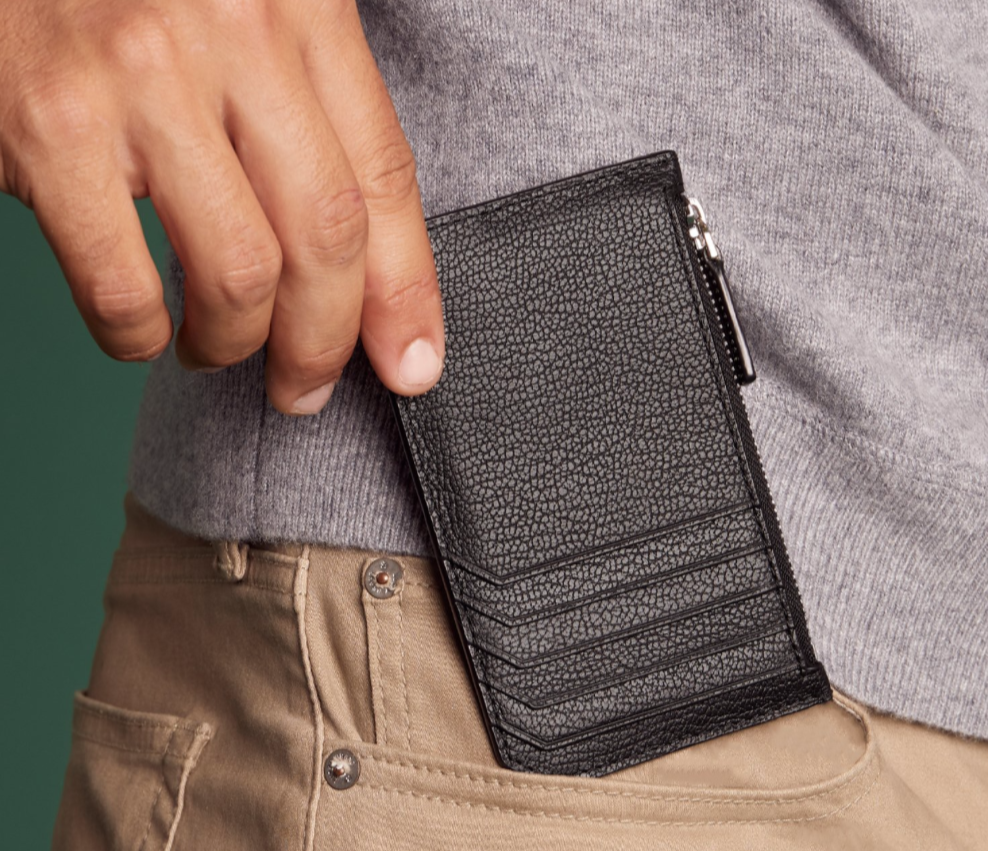
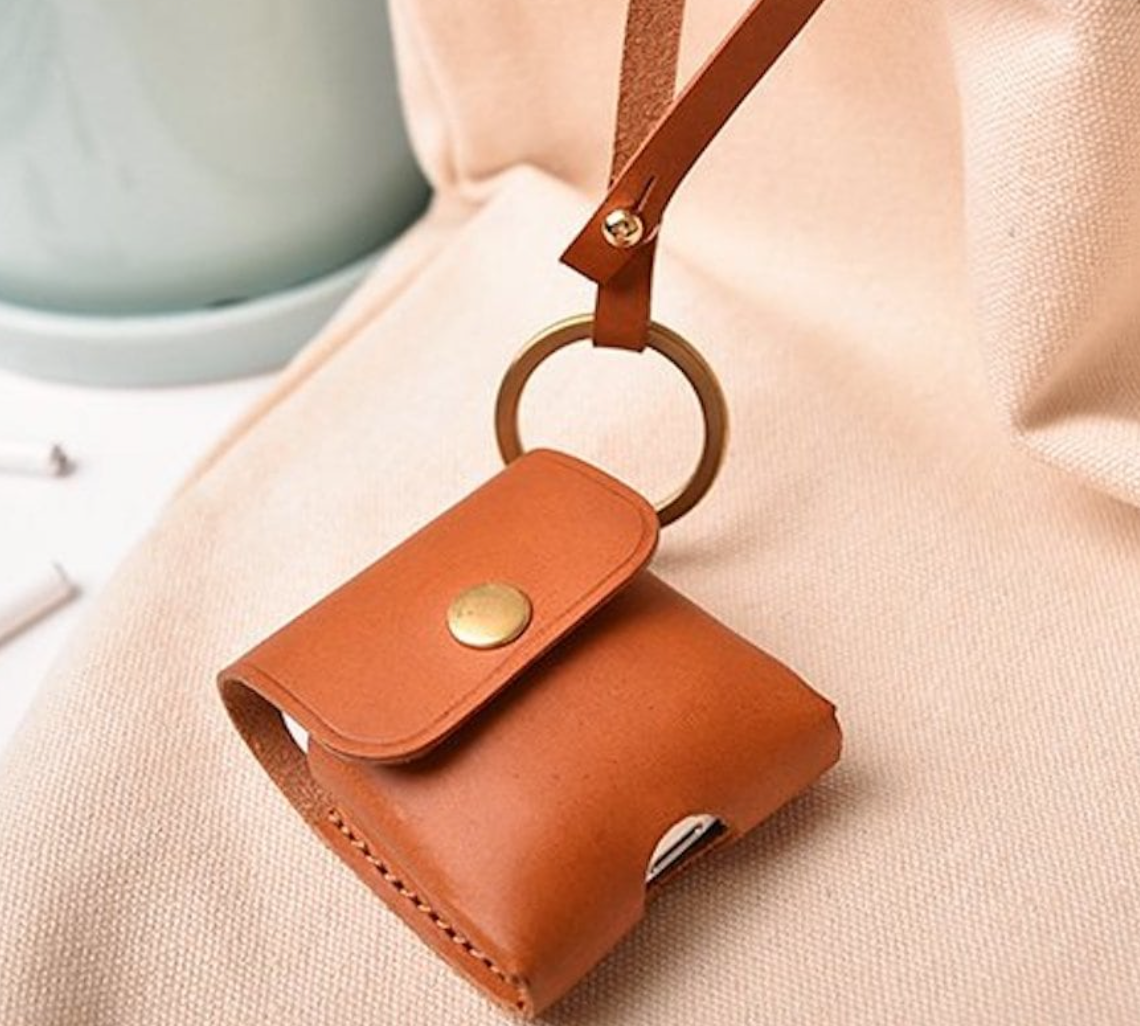
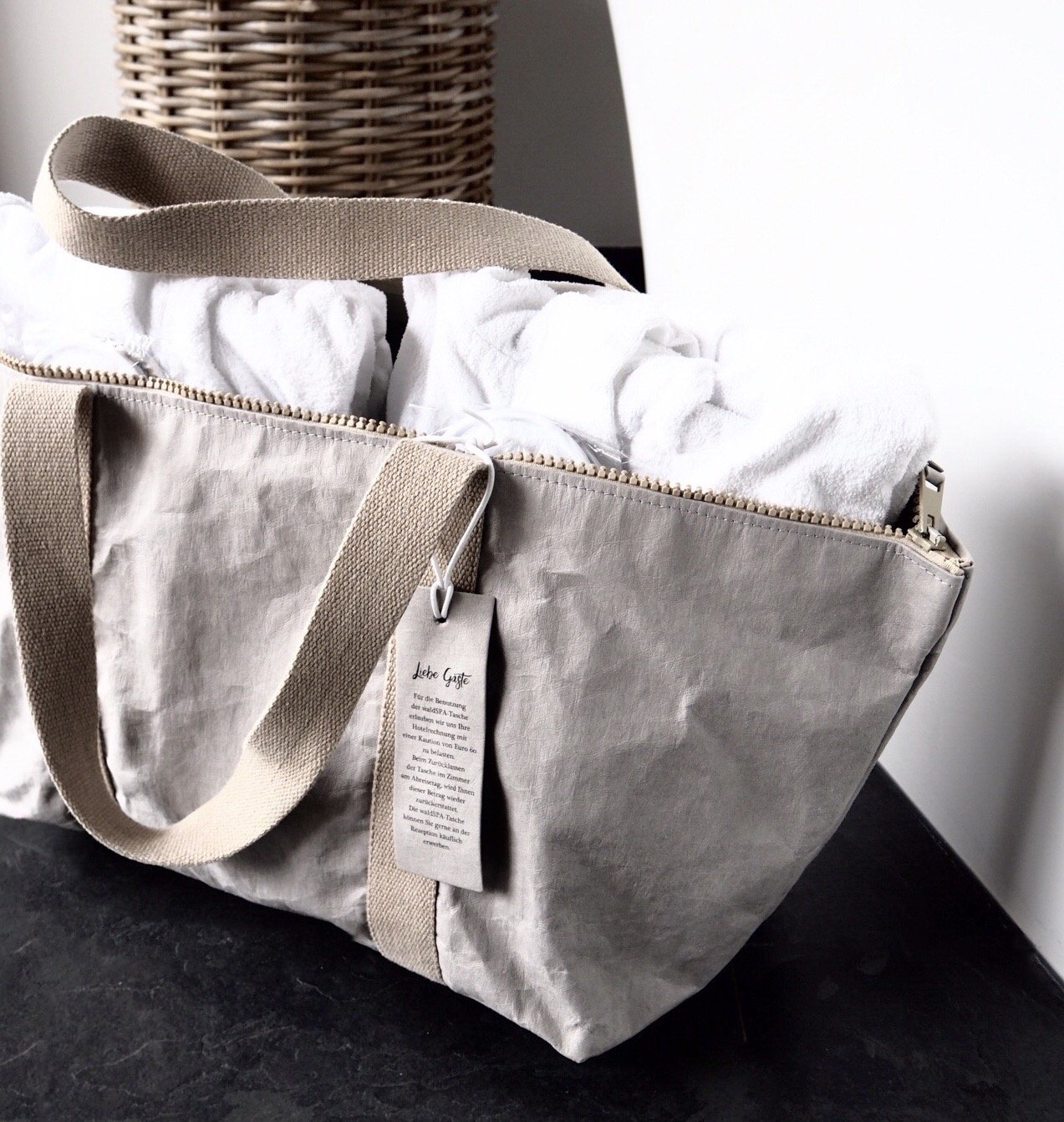
A physical product defies this question. A leather case, a travel bag, or a carefully designed box cannot be generated. It must be designed, prototyped, produced, and delivered. It is precisely this effort that is part of the message. Anyone who gives a high-quality item as a gift invests time, money, and care, and the recipients sense that before they even notice the logo.

Touch Builds Bonds
The sense of touch is the first sense we develop, and one of the most immediate. We evaluate things we touch differently than those we merely see. In a study published in the Journal of Consumer Research, consumer researchers Joann Peck and Suzanne Shu demonstrated that simply touching an object reinforces the feeling of ownership and thereby increases its perceived value. For brands, this is a remarkable insight: an object held in the hand becomes part of its owner’s personal world.
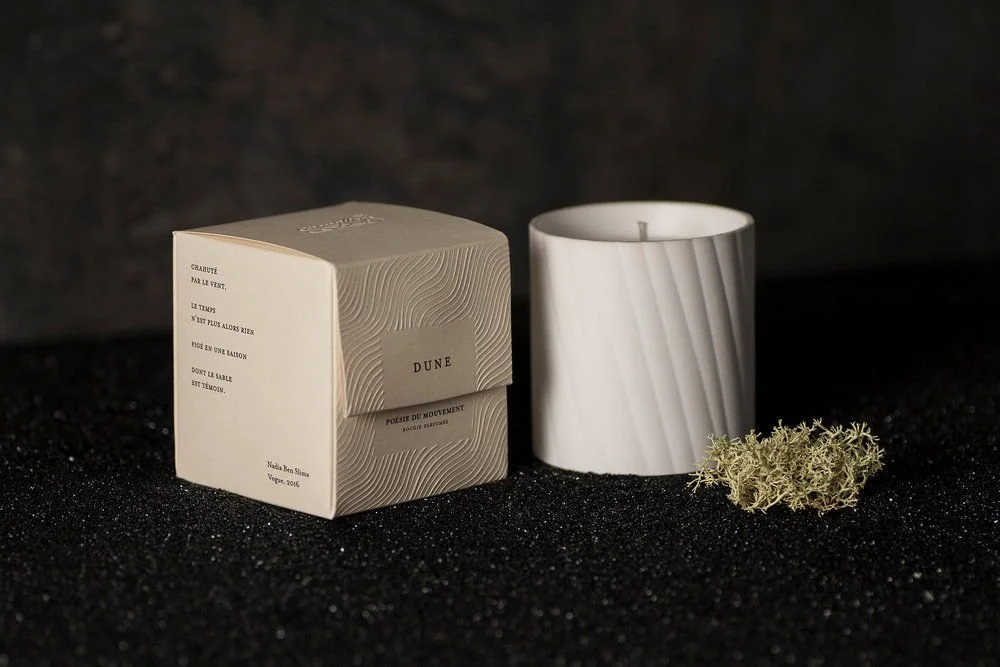
Then there are the other senses. The weight of a well-crafted product, the smell of leather, the sound of a zipper, the texture of a fabric. Our memory stores all of these differently than a banner, which we forget after just a few seconds. A brand that appeals to multiple senses isn’t just seen—it’s remembered.
From a promotional item to a high-quality corporate gift
However, this does not mean that every physical product is automatically effective. The cheap ballpoint pen, the flimsy cotton bag, and the USB drive with a logo have shown over the years that mass production tends to weaken the impact. A product that breaks quickly or disappears into a drawer after just a few days says one thing above all else about the brand: that it doesn’t take quality very seriously.
A high-quality corporate gift follows a different logic. It is designed for a specific target audience, not for everyone. The materials, craftsmanship, and design are chosen in such a way that people would enjoy using the product even without the logo. The branding is precise and understated, often a single detail rather than a large surface area. And the item accompanies its owners for months and years—at the office, while traveling, and in everyday life. That is exactly where a brand presence is created that no campaign can buy.

Why Now, of All Times?
With the digitization of the workplace, many companies have lost some of their physical touchpoints. Teams work in a hybrid model, customers are often known only from video calls, and partners meet in person less frequently. This makes the few moments when a brand actually becomes tangible all the more important: the welcome kit for new employees, the gift upon project completion, and the packaging in which a product arrives at the customer’s doorstep.
These moments are rare, but they are crucial. They reveal how a company views people. In an age when so much seems automated and personalized without actually being personal, a deliberate physical gesture becomes a true point of differentiation. It stems from decisions made by people: which material, which form, and for whom.
What This Means for Businesses
Artificial intelligence will continue to transform brand communication, and that’s a good thing. It makes many things faster, more efficient, and more accessible. But the more digital content becomes homogenized, the more important the elements that cannot be digitized become: materials, craftsmanship, physical touch, and the moment of handoff.
For companies, this means no longer treating corporate goods as a mandatory item in the marketing budget, but rather as an integral part of brand management. The key question here isn’t how many items you can afford. It’s which item best embodies your brand and who should actually receive it. A single product that’s used for years says more about a brand than a hundred giveaways that no one misses.
At Brandcraft , we develop accessories, bags, and packaging for brands in the hospitality, lifestyle, and luxury sectors. We explain why this approach also makes good business sense in our article “Why Companies Should Invest in High-Quality Accessories.” Our experience is clear: The more digital the world becomes, the greater the impact of items you can hold in your hand.
Frequently Asked Questions
Why are high-quality promotional items more effective than traditional giveaways?
High-quality promotional items are used for longer and thus remain a part of the recipients’ daily lives. Cheap giveaways, on the other hand, often disappear after just a few days and can even harm the brand.
What role does AI play in corporate gifts and merchandise?
AI makes digital content cheap and interchangeable. Physical products cannot be generated, which is why they are becoming increasingly important as a credible and tangible point of contact with a brand.
What makes a good corporate good?
It's designed for a specific target audience, features high-quality craftsmanship, and has subtle branding. A good test: You'd be happy to use it even without the logo.
For what occasions are high-quality corporate gifts appropriate?
Typical occasions include welcome kits for new employees, end-of-year gifts for customers, project completions, anniversaries, and events. It is crucial that the product and the occasion align with the brand.

Key Takeaways
In an age of AI-generated content, attention is becoming scarce and trust is becoming valuable. Physical products cannot be generated and therefore come across as more credible.
Touch Strengthens Bonds: People are more likely to perceive what they hold in their hands as their own and remember it longer.
Impact comes from quality, not quantity. A corporate good should be so good that people would use it even without the logo.
Hybrid work and digital customer relationships make the few tangible brand moments more valuable than ever before.