
Interview series "5 questions for..."
Iris M. Köpke, editor-in-chief of LuxusInsider, has been observing for years how the luxury travel market is changing fundamentally. Where glittering surfaces and iconic five-star staging used to take center stage, deeper values are now coming to the fore: experiences that touch, transform and have a long-lasting effect. Luxury is increasingly becoming something intimate and personal - a journey that not only shows us new places, but also a new view of ourselves. A precise, authentic look at an industry that is redefining itself - and at the people who shape it.

Iris M. Köpke, founder of LuxuryInsider
Brandcraft: How has the luxury travel market changed recently—and what expectations are shaping the new generation of travelers?
Iris M. Köpke: First of all, there was a big shift from material luxury to experiences: It is no longer the five-star hotel with the bling-bling chandelier and golden taps that is in, but those accommodations that can offer their guests special experiences - or ideally are so extraordinary themselves that just staying there is perceived as an experience. In Rome, for example, there are luxury hotels that allow their guests to unlock the Sistine Chapel together with the key master before the official opening time in the morning and experience it privately for an hour without the crowds. Nowadays, people go one step further: a luxury trip has to be transformative - life-changing, so to speak. You want to return home a different person as a result of the experience. This often includes wellbeing, but doing good also often plays an important role.

Rome (photo credit: https://stock.adobe.com/contributor/202446463/mapics)
Brandcraft: What role does true sustainability play in the luxury sector today, and how do you identify sustainable offerings?
Iris M. Köpke: That's a tricky question, because: Customers hardly ever actively ask about sustainable travel offers. Some take it for granted that luxury providers act sustainably, while others simply have other priorities. In principle, however, luxury travel and sustainability are a great "love match": the large sums that wealthy guests invest in a trip can do a lot of good locally. One example: a permit for gorilla tracking in Rwanda costs 1,500 US dollars per person - and part of the money is used to buy up more land and expand the national park and thus the gorillas' habitat. The most sustainable offers are those that take into account from the outset that the local people benefit noticeably from the income generated by tourism.
"In luxury tourism, absolutely everything is individual - the customer specifies what they want and when. And almost everything is made possible, so no two trips are the same."
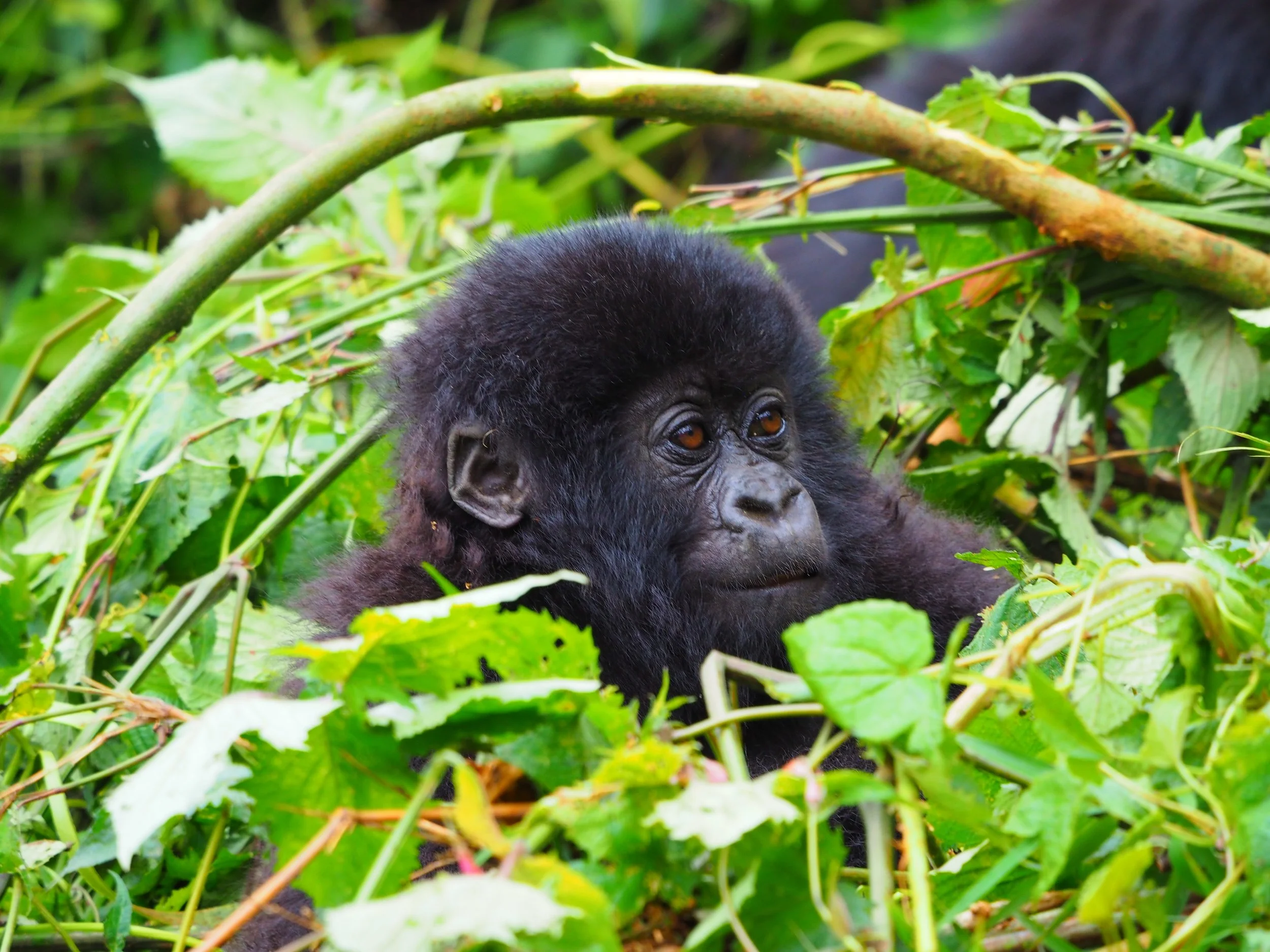
Gorilla baby in Rwanda (Photo credit: LuxusInsider)
Brandcraft: You spot trends early on: What developments are you currently seeing before they reach the broader market?
Iris M. Köpke: At the moment, especially the trend towards ultra-luxury. More and more people can afford luxury travel, so the "really rich" want to stand out from the crowd. And where there is demand, there is supply. What's more, providers are becoming increasingly creative and offering experiences that are incredibly expensive on their own. Sometimes because there is a lot of effort involved - for example, a hot air balloon ride over Morocco, where a butler serves a gourmet breakfast at an exquisitely laid table in a basket, while a saxophonist plays live and a photographer shoots souvenir photos with his drone. But also because experiences in the most remote, wild nature suddenly become comfortable because a resourceful provider brings electricity, hot water and great accommodation to the middle of nowhere. In the USA, there are providers who will set up a private luxury camp in the national park on request and then dismantle it without a trace - of course you'll be telling your grandchildren about an overnight stay like that. Cost: a whopping 20,000 US dollars.
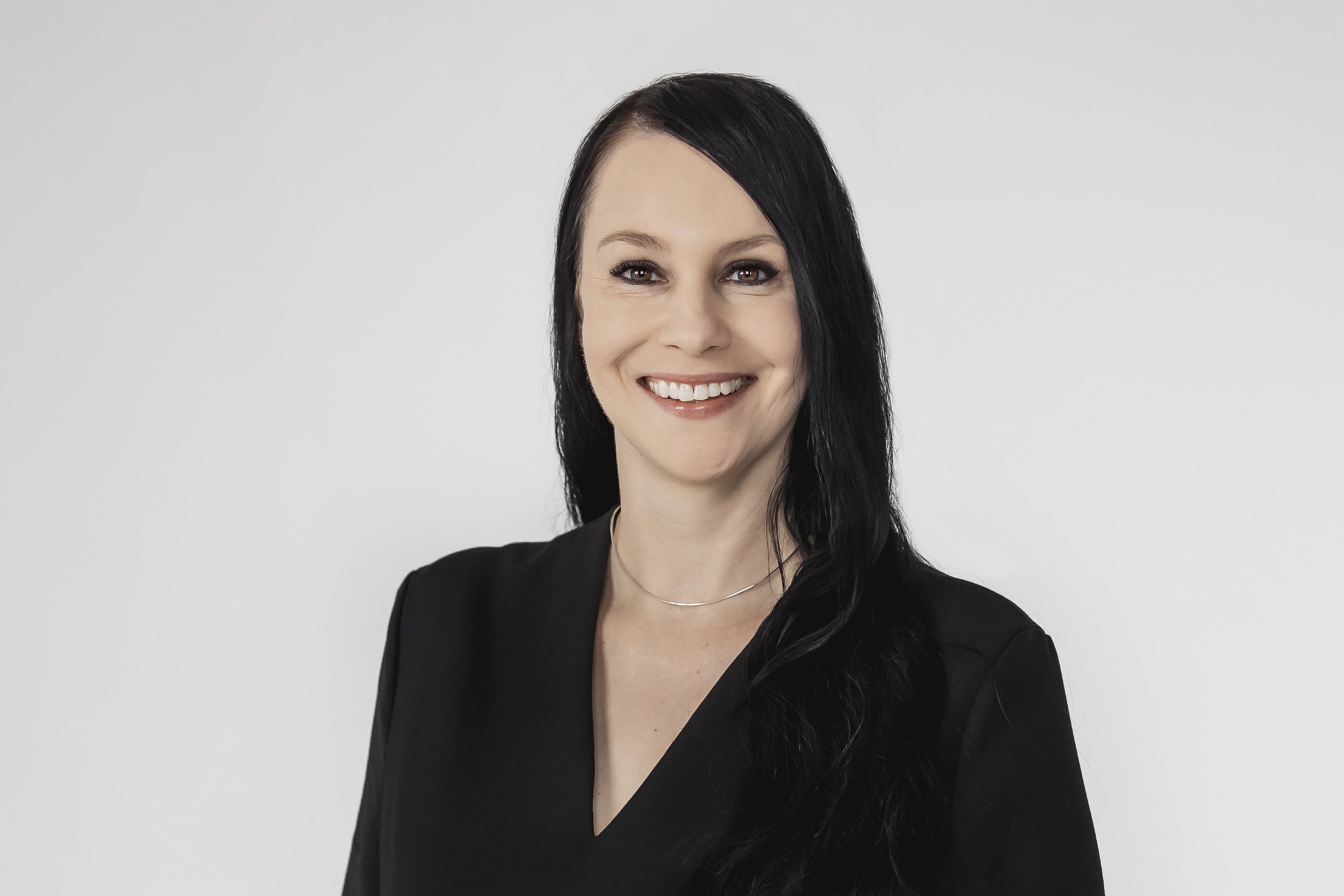
Iris M. Köpke (Photo credit: Rebekka-Mueller)
Brandcraft: What specific or unusual requests do you and the LuxusInsider community encounter most frequently?
Iris M. Köpke: In luxury tourism, absolutely everything is individual - the customer specifies what they want and when. And almost everything is made possible, so no two trips are the same. What they all have in common is that there is zero tolerance for mistakes. And it's not about money, but about the only true luxury good: time. The customer would - rightly - be very disappointed if they didn't get what they had imagined during their painstakingly made possible time out. Of course, we hear unusual requests from time to time. For example, a lady's Gucci button that had cheekily fallen off at home and now had to be flown by helicopter to a remote Seychelles island to make her summer dress perfect. Or hungry oil multinationals who have the hotel manager woken up at 2 a.m. to eat caviar with them. But we also hear a lot about gratitude towards those who give travelers unique moments.
Brandcraft: In your opinion, which brands, regions, or concepts have the greatest potential to redefine luxury in the coming years?
Iris M. Köpke: That is definitely Saudi Arabia. Here, things are being put together and the budget is also available. Entire regions are being redeveloped in the country, with sustainability always in focus. The tourism summit Tourise was recently held there - it's amazing how many travel experts took part, even though the country hasn't been on the tourism map for very long. You have to be careful with brands at the moment: Many of the established providers that have been ahead for a long time have now been joined by investors. It remains to be seen whether they will still be able to remain true to their own DNA. In my opinion, professional, warm-hearted and authentic staff are always in high demand. Anyone who has something like that is sitting on a huge treasure.
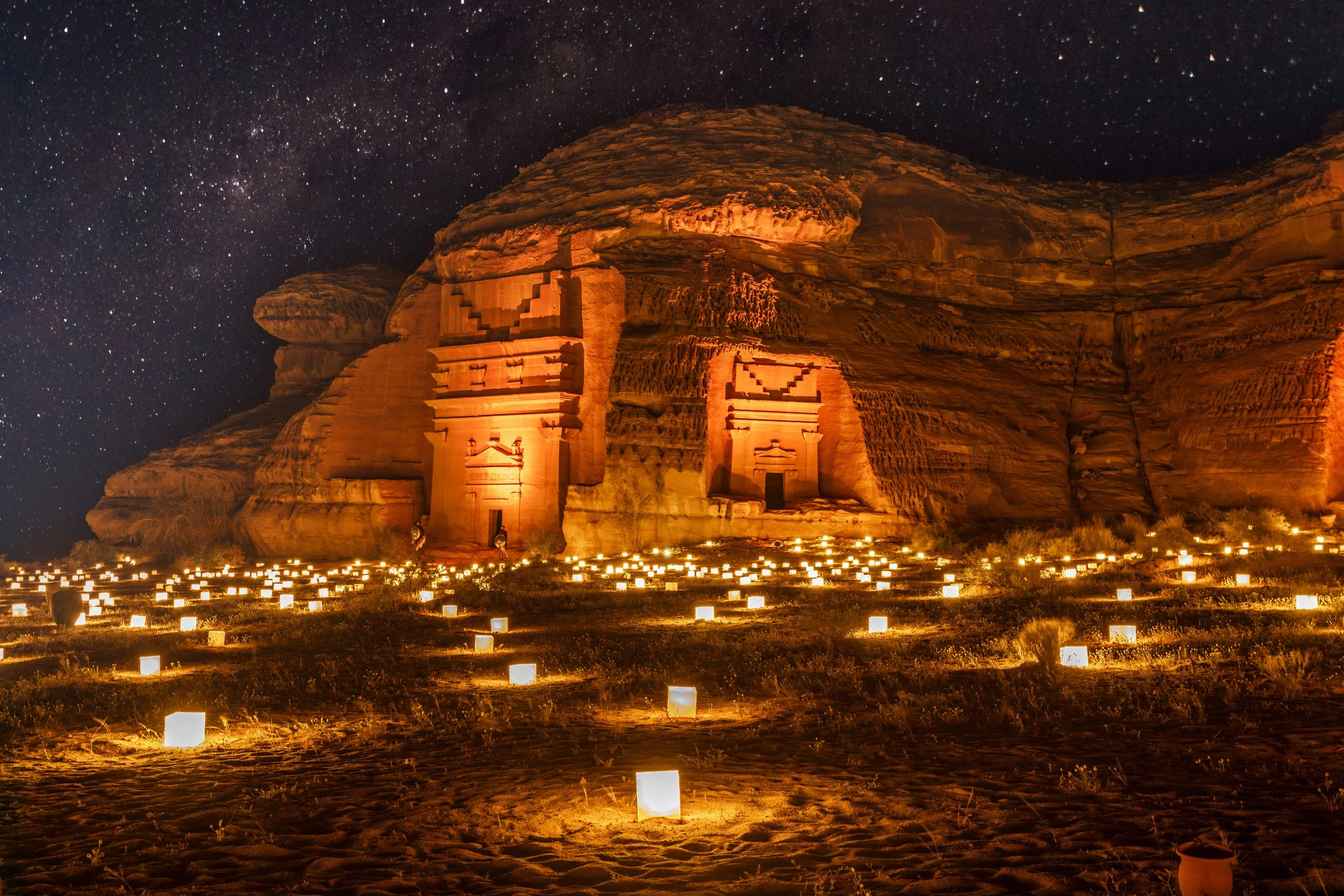
Saudi Arabia (Photo credit: https://stock.adobe.com/contributor/205786158/vadim-nefedov)