Interview series "5 questions for..."
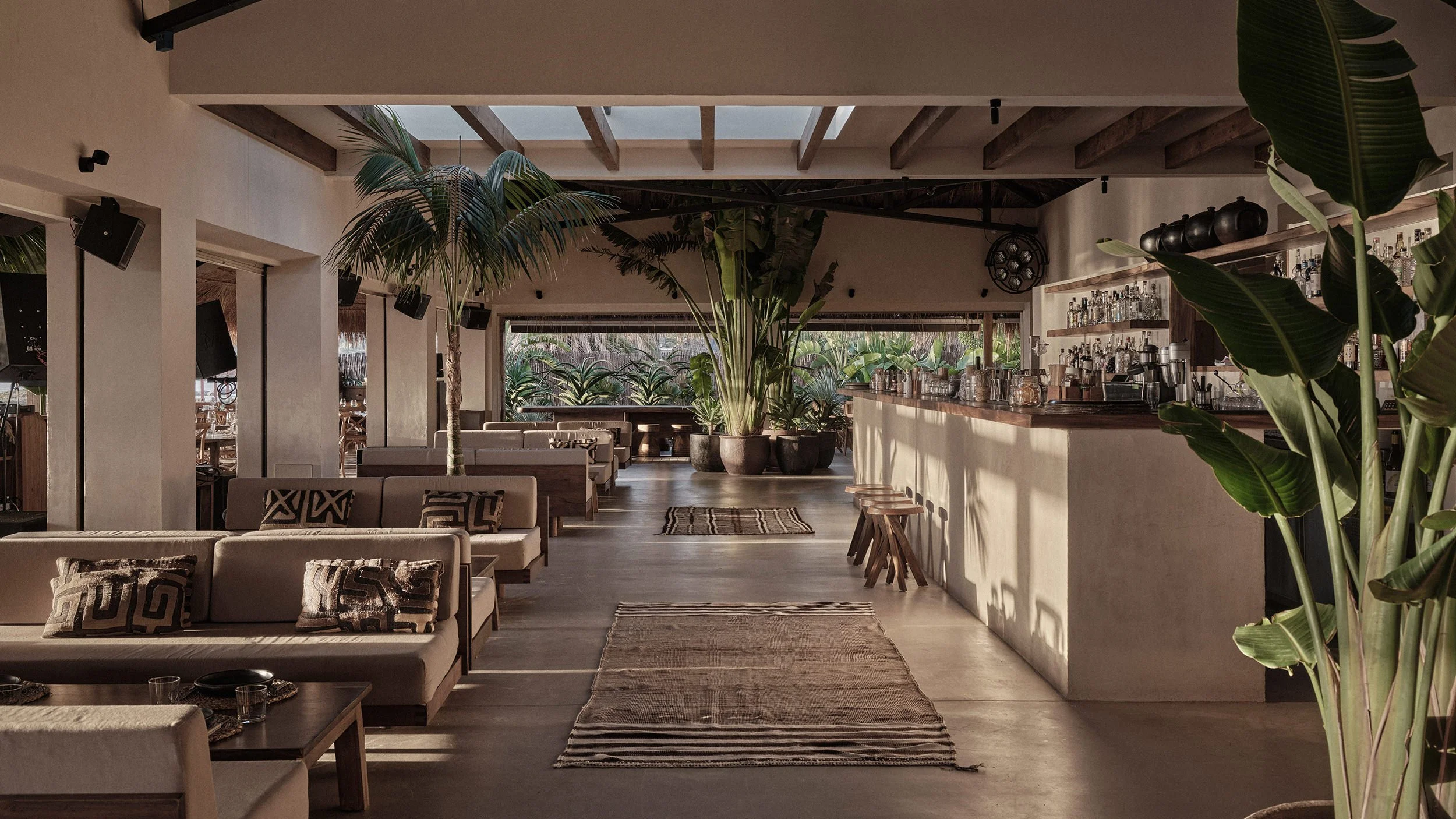
Georg Roske discovered his passion for architecture and design at an early age before devoting himself entirely to photography. Today, he is one of the most sought-after hotel and interior photographers and works for international hospitality brands such as Scorpios Club, Capella and Patina Hotels. With a special feel for light, materiality and atmosphere, he not only captures spaces, but also the identity of a place. In this interview, he talks about the art of storytelling in photography, current trends and the most important factors for an outstanding hotel photo.

Georg Roske, photographer
Brandcraft: Mr. Roske, you've photographed many well-known hotels. What makes a hotel photograph stand out?
Georg Roske: A successful hotel shot is characterized by the fact that it captures the materiality and spirit of the place in the perfect light. A so-called "money shot" or "key visual" is usually a shot of the most impressive area of the hotel - often a drone shot of the pool or the main building in a special lighting mood. Many hotels have striking architecture that contrasts with their surroundings - some are carved into rocks, others rise out of the desert.
I find a hotel photograph particularly appealing when it captures a unique moment of the hotel - one that you remember fondly and that gives the impression that it will never happen again in the same way. Photographs preserve these emotions, the special architecture and make certain places immortal. This is what characterizes an outstanding hotel photograph.
Brandcraft: Every hotel has its own story. How can photography help bring that story to life visually?
Georg Roske: It is essential to consider the history of the location, the culture of the surroundings and the service. If all three aspects are conveyed coherently, the photography will unfold its full effect. A successful photo story tells all the relevant details down to the smallest nuance. If these moments are skillfully strung together, a tangible and sympathetic narrative is created that emotionally engages the viewer.
The spirit of a place is often shaped by its surroundings, passed on by employees and ultimately transported to the world through marketing campaigns. It can be seen in small details - in the architecture, the interior, the way guests are welcomed. When this intersection is authentic and inviting at the same time, new stories are created that are worth telling. Good hotel photography captures precisely this essence and makes it visually tangible.
"The biggest trend - and also a big challenge - is to find the right storytelling for each hotel, especially for social media."
Brandcraft: Hotels use images on their websites, in print materials, and on social media. How do the requirements for image style and composition differ across these channels?
Georg Roske: Most agencies and marketing experts differentiate between "sales" and "editorial" images. The former are usually informative images - often total shots that show as much as possible and give the viewer a comprehensive overview. Editorial", on the other hand, refers to aesthetic, atmospheric shots that often consist of half-length shots and create a special atmosphere through targeted composition.
This type of photography requires a trained eye and a deep understanding of design - notevery photographerhas mastered it. Especially for high-end hotels and architects, such shots are of great value as they convey class and emphasize the design sophistication of a place. As a photographer myself, I rarely make videos, but I work closely with DOPs because the moving image also plays a central role in telling a story. Especially in digital campaigns, the combination of photography and film creates a strong visual identity and lasting impact.

Georg Roske for the Hotel Epi (South of France)
Brandcraft: What current trends are you seeing in hotel and interior photography?
Georg Roske: There are a number of trends in photography and videography that differ in terms of both content and effects. Certain visual styles appeal to a younger audience, while specific stories target different types of guests. The biggest trend - and also a big challenge - is finding the right storytelling for each hotel, especially for social media. Many of my clients therefore place great importance on this and develop different approaches to appeal to their guests.
This is a great opportunity because it offers numerous stories to tell about a place - but at the same time it is also a challenge to keep developing new ideas. For me, it remains particularly exciting to see how open a hotel is to cultural aspects and how strongly it identifies with regional cuisine and integrates it into its offerings. Of course, the design language also plays a decisive role - which furniture matches the architecture and how do different materials harmonize with each other? Basically, the hospitality world is a fascinating playground for photographers like me who have never been able to commit to a preferred genre. All genres really do come together here, and I always look forward to finding myself in new facets! High-quality photography will always remain a trend that even AI can't do anything about - but that's another exciting topic.
Brandcraft: Do you have any practical tips for hoteliers who want to take their photography to the next level?
Georg Roske: From a photographic point of view, you should aim to present the location in the best light. By that I mean avoiding CGI, not taking any heavily flashed wide-angle shots, but choosing real daylight shots that show the interplay of light and shadow in the room. If there are special light installations or fascinating plays of light, these can of course also be integrated.
A strong awareness of the respective location is also crucial. Some places require a calm, balanced composition that corresponds to the golden ratio, while others thrive on bold colors and dynamic cuts. Such details reveal an authentic beauty and capture the essence of the place in its full authenticity. This photograph is not just a snapshot, but a visual interpretation that reflects the character of the place and gives the viewer a deep sense of its atmosphere. It is this authenticity that makes a place truly unforgettable.