
Interview series "5 questions for..."
Martin Eggert, founder and managing director of the renowned advertising agency David+Martin and its spin-off Build+Blend, provides high-percentage insights into current developments in the alcohol market. He shows how hotels and restaurants can inspire their guests with innovative concepts and unique experiences and clearly stand out from the competition. Immerse yourself in a changing market that goes far beyond pure enjoyment and sets new standards.
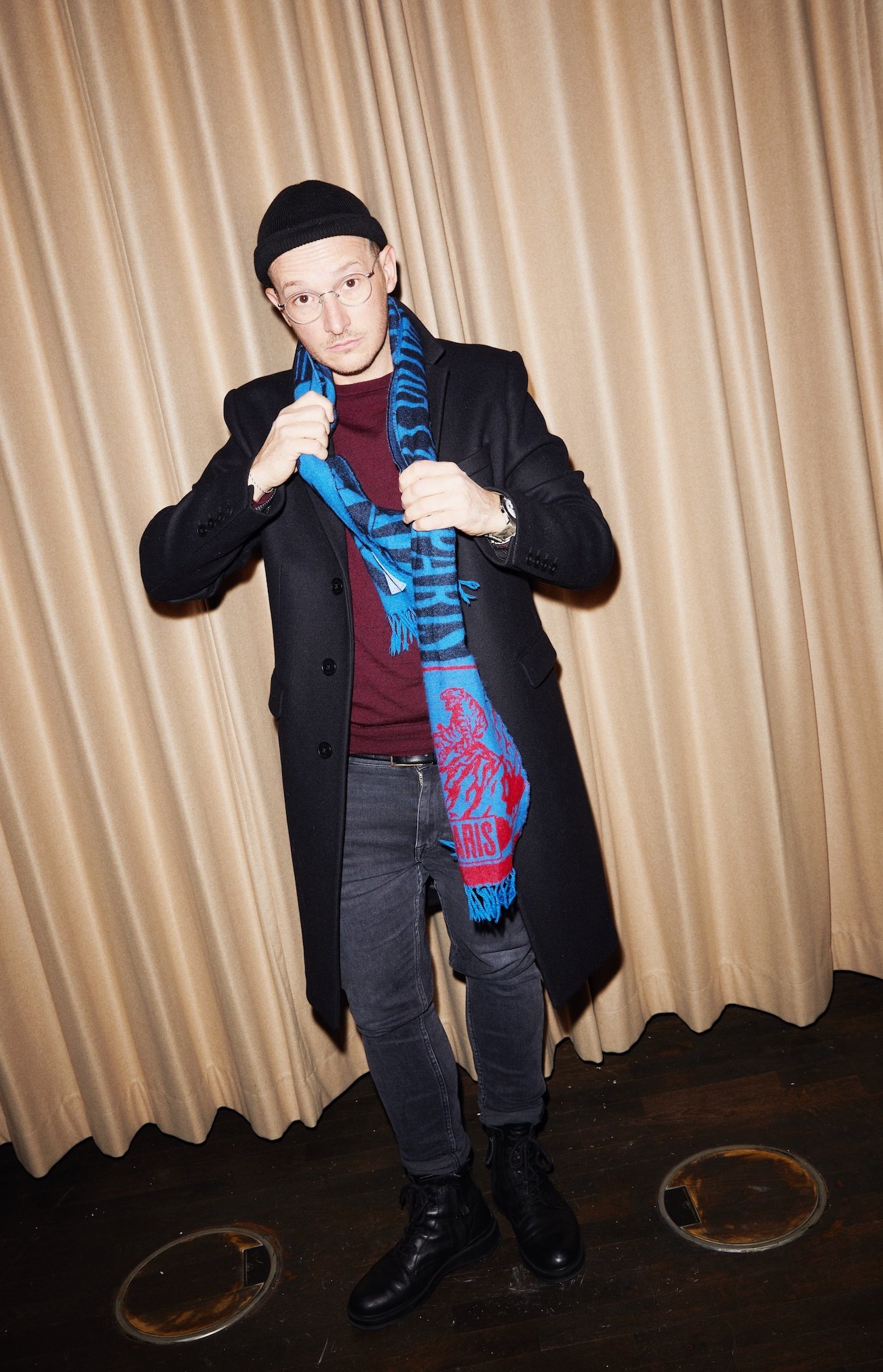
Martin Eggert, agency owner and restaurateur
Brandcraft: How has the premium and luxury alcohol market in the upscale hospitality and restaurant industry changed in recent years, and what trends are emerging?
Martin Eggert: Thanks to the democratization of knowledge, hospitality guests today have access to comprehensive information without having to be proven connoisseurs. In our experience, modern guests have a more pronounced knowledge of the various beverage categories, want to try out new things and - often in company - share their knowledge and discoveries. Today, connoisseurship is an expression of lifestyle and status and, in a world heavily influenced by social media, is also increasingly in demand in real life. As a result, hotels and restaurants are offering a wider range of open spirits and staff should be trained accordingly, as guests want to and are able to delve deeper. The resulting trend is individual luxury: bar and service offerings must be tailored to the preferences and wishes of guests - from the selection and recipes to food or cigar pairings. New categories rarely emerge, as almost all of them have already experienced a renaissance. While vermouth and mezcal were still considered an insider tip a few years ago, the range has stabilized and classics such as vodka, gin, rum and whisky continue to dominate consumption.
Brandcraft: What criteria should hoteliers and F&B managers consider when putting together a beverage menu for a premium or luxury hotel in order to offer a unique and high-quality experience?
Martin Eggert: This ties in directly with the previous answer. Hotels - especially those belonging to international chains - are often still cautious here. Individuality is the key: instead of a standardized cocktail ABC, a well-curated menu should include classics such as Negroni and Old Fashioned as well as modern, non-alcoholic options, ideally with homemade fermented drinks such as Kombucha. Fermentation has long since found its way into the bar, but there is still potential for further development, especially in hotels. A pot of fresh rosemary at the bar is no longer enough - guests can have it at home and refine their own gin & tonic with it. The willingness to pay a premium price for standards is decreasing. This poses a particular challenge for hotels, which are often forced to charge higher prices.
"Technological and conceptual developments such as pre-bottling, sous-vide processes and fermentation open up many possibilities for working with shelf life and prepared products."
Brandcraft: What role does brand building play for spirits in the hospitality industry, and how can hotels enhance their image and the guest experience through partnerships with alcohol brands?
Martin Eggert: Branding is crucial here, as there are often barriers to high-quality spirits, such as the retail price, which prevent people from simply buying a bottle out of curiosity. In this context, the hotel industry offers an ideal framework for creating moments of enjoyment and giving guests the opportunity to try different products or categories without having to purchase the entire bottle directly. The calmness of the guest for service, often trained by the brands, also helps to explain products and trends. This requires well thought-out pricing that is attractive to guests. One way to achieve this is through so-called flights, where between three and five different products are offered in reduced quantities as a trial package. From a brand perspective, this effect should not be underestimated for the hotel industry, as well-informed guests immediately recognize whether a hotel is acting competently. A poorly stocked bar damages the reputation of a hotel, regardless of how beautifully the rooms are designed. At our agency David+Martin, we work closely with the spirits industry, hotels and individual restaurants to develop tailor-made solutions. This could be, for example, an exclusive whisky lounge, a dispensing system for highball drinks with special carbonation or a tailor-made food and drink pairing that we design for bars and hotels together with bartenders and star chefs.

Brandcraft: What opportunities and challenges do you see for spirits brands in the hospitality industry in the coming year, particularly with regard to sustainability, staffing, and innovative concepts?
Martin Eggert: The biggest challenge will undoubtedly be personnel. The hotel and restaurant industry is generally struggling with staff shortages, and qualified specialist staff are even rarer. The task is therefore to serve individual drinks to a high standard and to incorporate the existing knowledge of the guests. If guests already have in-depth knowledge, less advice is needed, but it is important to meet this demand with creative and more sophisticated creations. Technological and conceptual developments such as pre-bottling, sous-vide processes and fermentation open up many opportunities to work with shelf life and prepared products. Ultimately, however, the concept must fit the hotel in question, which is why it is essential to have access to the right partners, consultants and agencies when necessary.
Brandcraft: What role do local and sustainable spirits play in a hotel’s positioning, and how can they be integrated into bar and F&B concepts to set the hotel apart from its competitors?
Martin Eggert: The biggest lever for sustainability does not lie in the spirit itself. Sustainable products are certainly a nice addition, but often rather secondary in the big picture. Sustainability in hotels starts with basic issues such as consumables, towels and lighting. If, for example, the air conditioning is running in a hundred rooms despite being empty, this shows where the real focus should be. At the bar, a poor recipe cannot be compensated for by sustainable products - be it food or drinks. This reduces the likelihood of guests ordering again and, in my opinion, is the opposite of sustainability. A truly sustainable approach would be to peel and preserve the lime peel before the fruit is squeezed and to process the excess juice at the end of the shift into a homemade cordial. Such a cordial can not only help sell high-priced drinks better, but is also long-lasting and cost-efficient. As staff often have idle time during shifts, this can be easily integrated into the mise-en-place - all it takes is a pot on the stove and a few minutes of time. What remains essential, however, is the relevant knowledge.